
Service
Garage Door Opener Repair for Oklahoma City Homes
Opener won't open, won't close, or grinds and stops? We fix logic boards, gears, and drive systems on the openers common in Oklahoma City's 1960s-2002 housing stock.
- Licensed & Insured
- Same-Area Service Calls
- Upfront Pricing
What Happens When You Call
-
1
Call or Request a Quote
Tell us what the door is doing and roughly how old the house is - that alone points us toward the likely part before a truck leaves.
-
2
On-Site Diagnosis
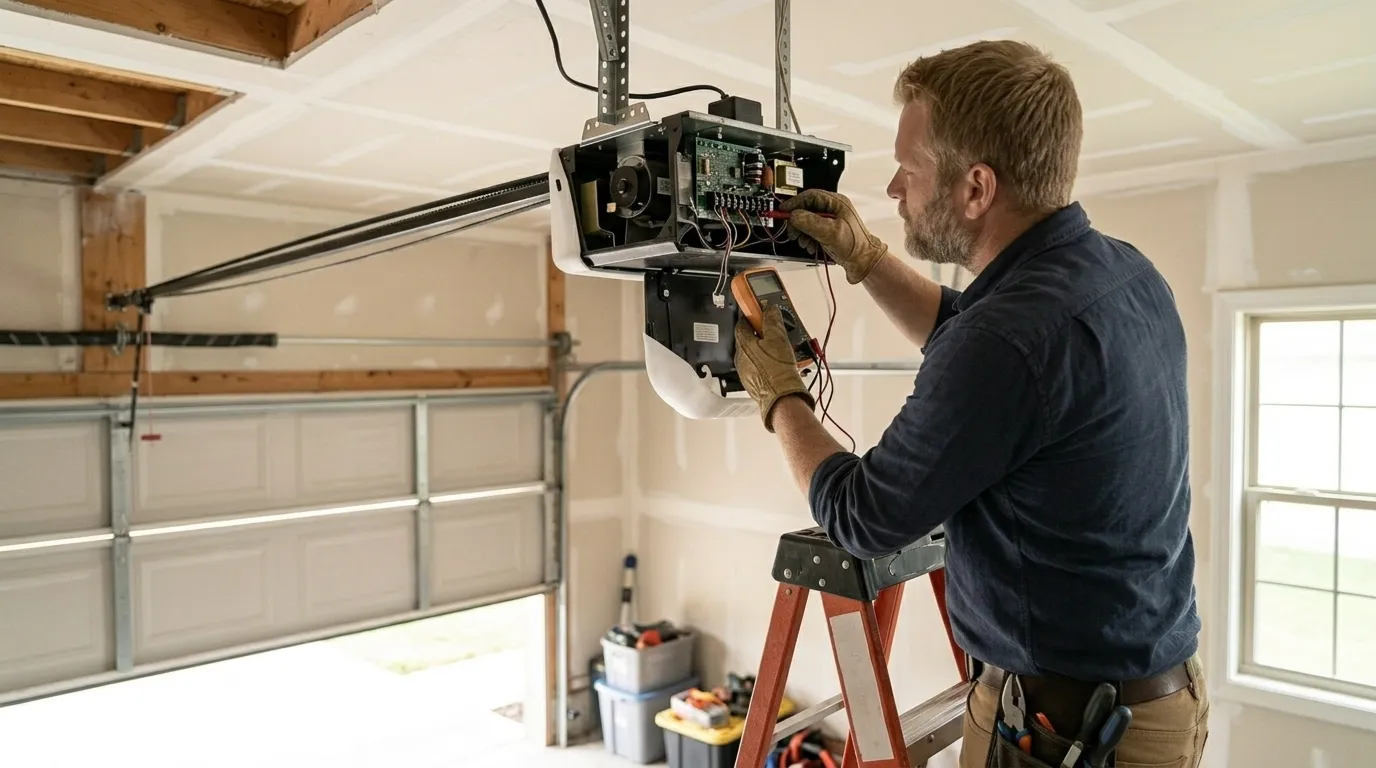
A tech checks the spring, cables, tracks, and opener in person and tells you plainly what is actually wrong.
-
3
Straight Price, No Surprises
You get a number before any work starts. It covers parts and labor, nothing added after the fact.
-
4
Fixed the Same Visit
Most repairs are done in one trip. If a part needs sourcing, we tell you that upfront instead of guessing.
Parts We Carry
Most opener calls in this service area come down to one of five things: a stripped drive gear, a burnt logic board, a failed capacitor on an older chain unit, a dead or misaligned safety sensor pair, or worn belt/chain drive components on units that have been running since the house was built. Because houses across this area went up mostly between 1959 and 2002, with the median landing in 1972, a big share of the openers we open up are older screw-drive or chain-drive units, not the belt-drive systems you'd find in newer construction. We stock the gear kits, capacitors, and sensor pairs that fail most often on that generation of opener, plus logic boards for the more common drive units still running in 1960s and 70s garages.
What we don't stock on the truck: boards for opener models discontinued more than a couple decades ago. Those sometimes take a special order, and we'll tell you that up front instead of guessing at a fix that won't hold. If your opener predates readily available parts, replacement is usually the honest answer, and we'll say so rather than patch something that'll fail again in six months.
Why This Fails Locally
Oklahoma City sits in a cold-moderate climate band, and that swing between summer heat in the garage and winter cold does real damage to opener electronics over years of cycling. Capacitors dry out faster under that kind of temperature swing than they would in a milder climate, and logic boards on older units weren't built with today's surge protection. Layer that on top of the housing stock: across this service area, most garages were built between 1959 and 2002, and a heavy share of that stock is 1960s and 70s construction spread across the 17 named areas we cover, from Del City to Piedmont.
A garage built in that window usually got its first opener installed decades ago, and a lot of homeowners are still running the original unit, or a direct swap-in replacement from years back. That's a long service life for a machine with moving gears and an aging control board, and it's why we see the same failure patterns over and over: gear stripped from age, board fried from a bad power cycle, capacitor gone weak from years of heat-cold swing. This isn't a citywide fluke.
It's what happens when a specific era of housing stock hits the end of an opener's working life all around the same time.
The Symptom
The call usually starts the same way: the opener hums or clicks but the door doesn't move, or it moves partway and stops, or the light blinks a set number of times and nothing happens after that. Sometimes it's simpler - the remote stops working, the wall button does nothing, or the door reverses right after it starts closing. Each of those points somewhere specific.
A humming motor with no movement usually means a stripped gear inside the unit, common on older chain-drive openers that have logged a lot of years. A blinking light code points to the logic board flagging a safety sensor or travel limit issue. A door that reverses on close is very often a sensor alignment problem, sometimes just from a garage getting bumped or settling slightly over the decades.
We don't guess over the phone. We come out, run the opener through its cycle, and check the board, the gear, and the sensors before we say what's actually wrong. Most of these jobs get diagnosed in one visit.
The Cost of This Job
What drives the cost on an opener repair isn't the labor, it's the part. A sensor realignment or a capacitor swap is a short visit. A stripped gear kit costs more but is still a repair job, not a replacement job.
Where it gets expensive is when the logic board itself is fried and the model is old enough that the board is hard to source - at that point we're often comparing the cost of a special-order board against a new opener, and for a lot of the older units running in this area's 1960s and 70s garages, a new opener wins that comparison. With median household income across the service area sitting around $75,000, most owners we talk to want a straight answer on repair-versus-replace, not a sales pitch either direction. We give that answer based on the age of your unit and what parts are actually available for it, not a flat number that applies to every opener regardless of model or age.
Talk to a Technician Before You Book
Describe what the door is doing and get a straight answer on what it likely needs.
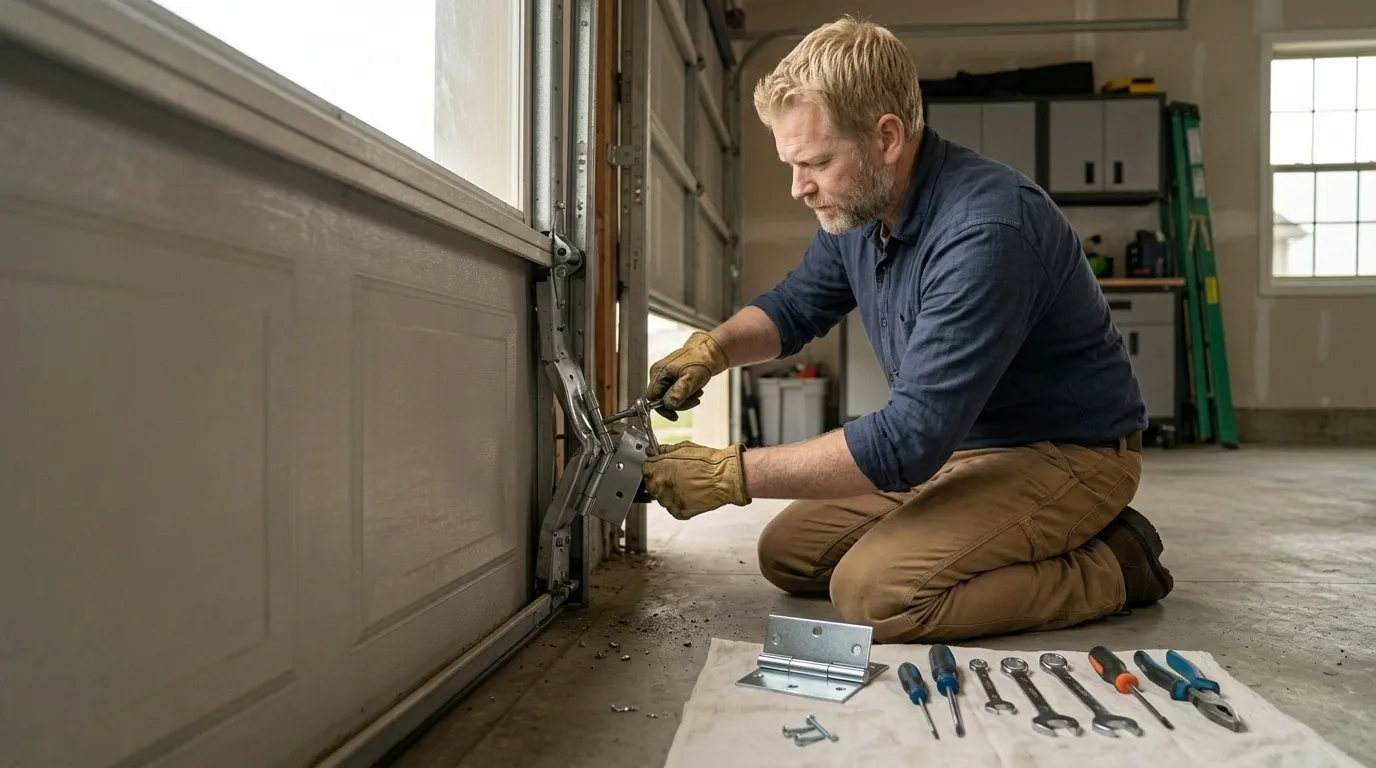
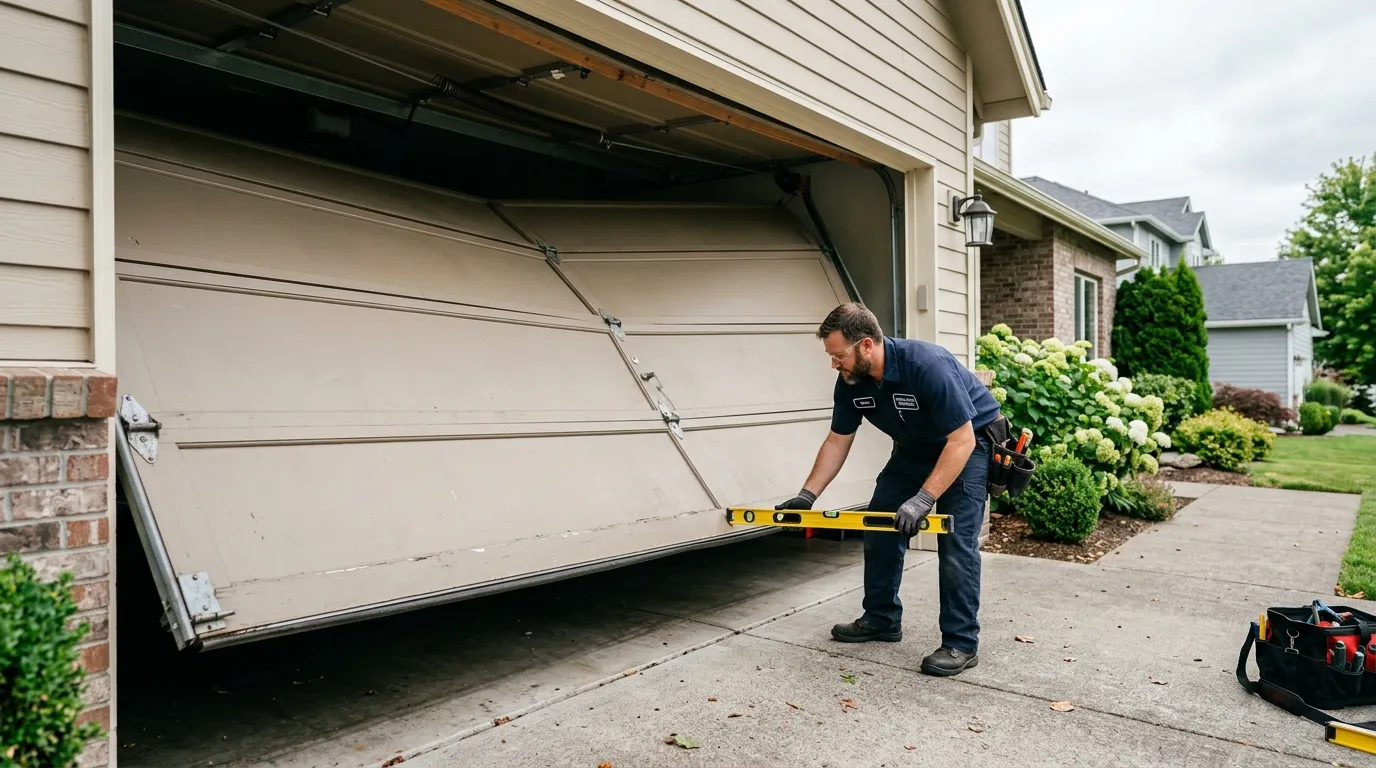
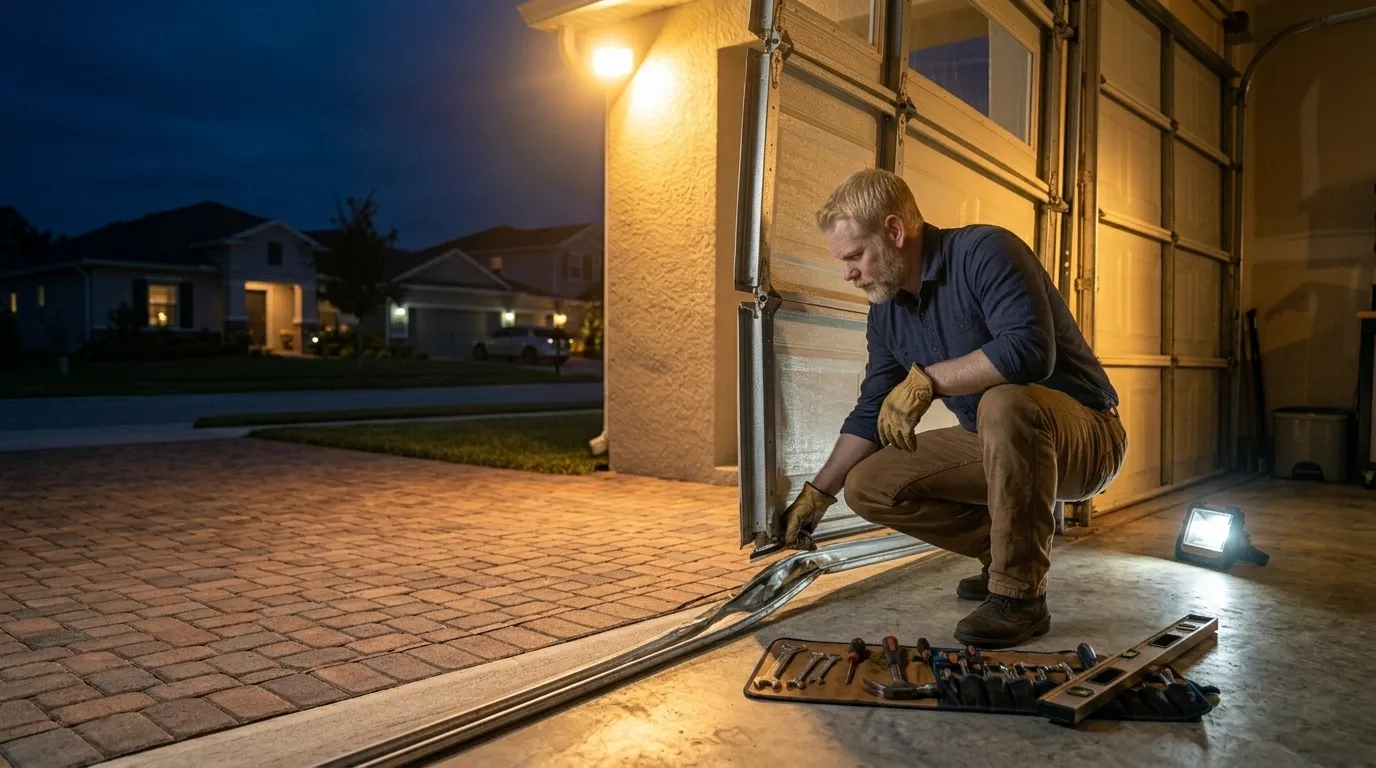
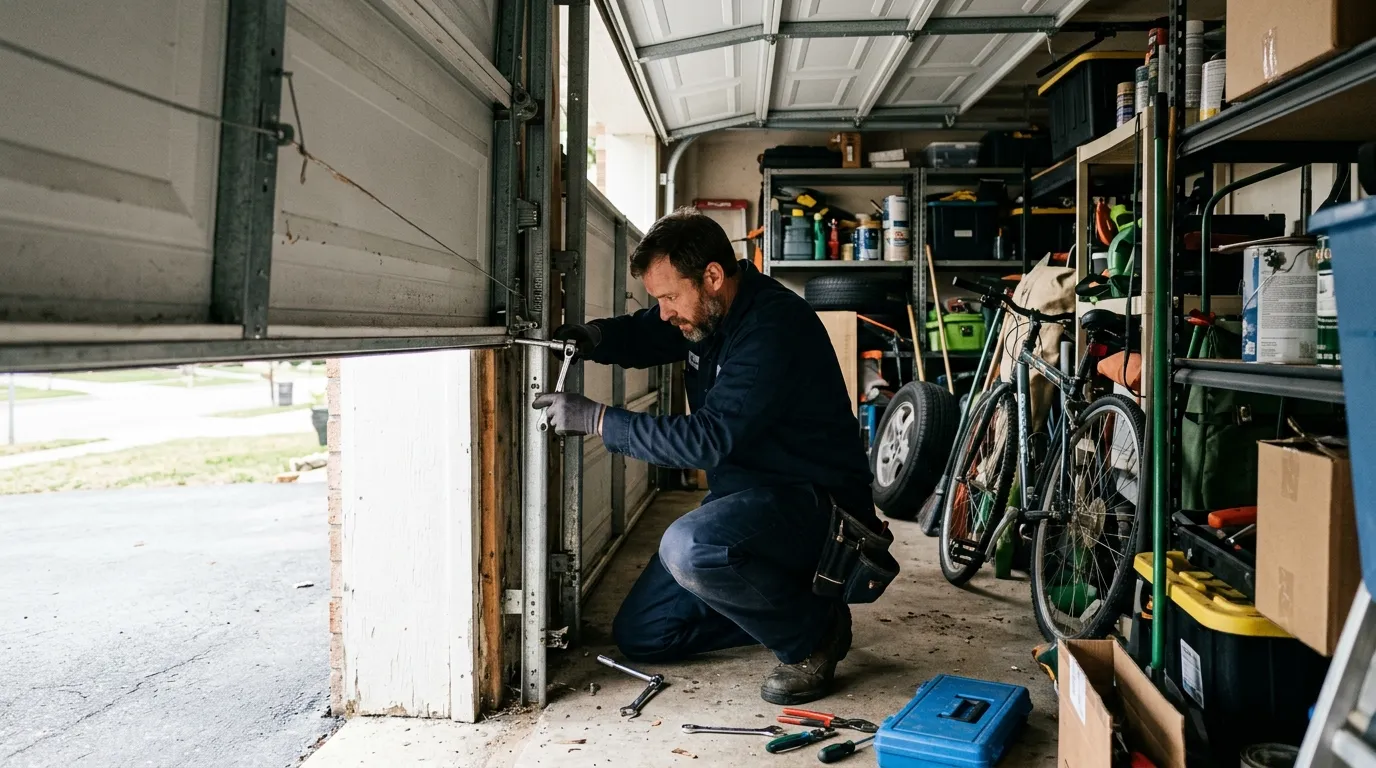
Jobs Like Yours
Recent work from this service line.
Why Oklahoma City Calls Us
Frequently Asked Questions
Why does my garage door opener keep stopping partway?
On older chain-drive units, that's usually a gear or chain issue inside the unit itself losing the strength to pull the door through its full travel. On newer belt-drive openers, it's more often a sensor or limit-setting problem. We check both before replacing anything.
Is my opener too old to repair?
It depends on whether parts are still made for your model, not just its age. A lot of openers from homes built in the 1960s-2002 range still have gear kits and capacitors available. When the logic board itself is discontinued, replacement usually makes more financial sense than a special-order part.
Why do openers fail more in this area than newer suburbs?
A large share of the housing stock here dates to the 1960s and 70s, meaning a lot of original or early-replacement openers are decades into their service life. Combine that with a cold-moderate climate that stresses capacitors and boards over years of temperature swing, and failures cluster in this older stock.
Do you carry parts for every opener brand?
We stock the gear kits, sensors, and capacitors that fail most often on the drive systems common to this area's older garages. Boards for models discontinued decades ago sometimes need a special order, and we'll tell you that before starting the job, not after.
Need Garage Door Opener Repair for Oklahoma City Homes?
Call now for straight answers on cost and timing.