
Oklahoma City Garage Door Guide
Garage Doors on Houses Built Before Insulation Rules Took Hold
Oklahoma City's housing stock runs 1959-2002, with most of it built before insulation codes tightened. Here's what that means for your garage door and opener.
- Licensed & Insured
- Same-Area Service Calls
- Upfront Pricing
What Is Going On
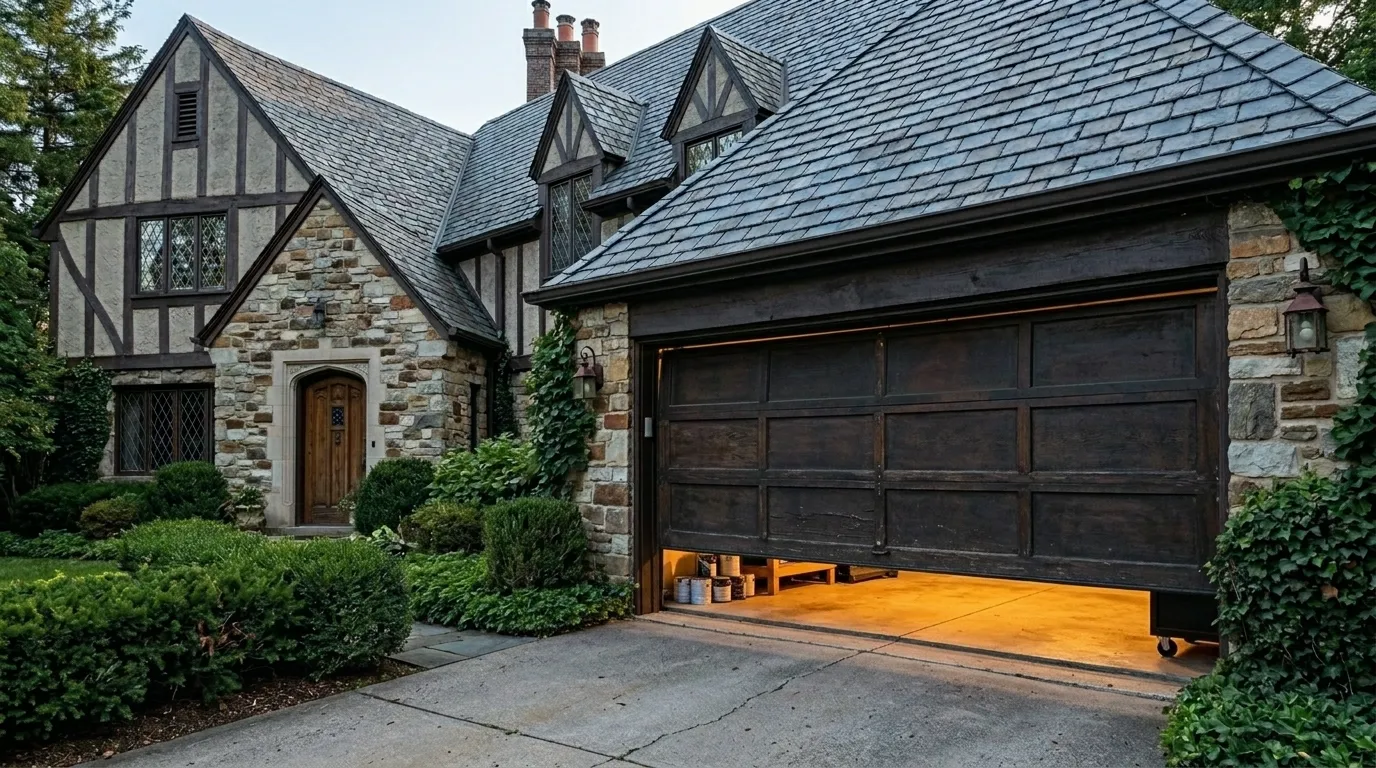
Most of the houses we work on across Oklahoma City went up between 1959 and 2002, with the median build year landing around 1972. That matters because a lot of that stock - the 1960s and 70s houses that make up the bulk of the 17 named areas we cover, from Capitol Hill and Midtown out to Britton and Quail Creek - was framed and finished before insulation codes tightened up. The garage door openings on those houses were often cut for a single-layer steel or aluminum panel with no thermal break, because nobody was thinking about R-value in a garage door back then.
If your house falls in that window, there's a decent chance the door itself, or at least the original frame and jamb, was never built to hold in heat or keep out cold. That's not a defect. It's just what building standards looked like at the time.
The issue shows up later, when someone replaces the door with a modern insulated panel but leaves the old jamb and header in place, or when the opener and springs get swapped without anyone checking whether the seal at the bottom or sides ever matched up to begin with. A door built for a house from that era can look fine and still leak air like a screen door.
The Cost of This Job
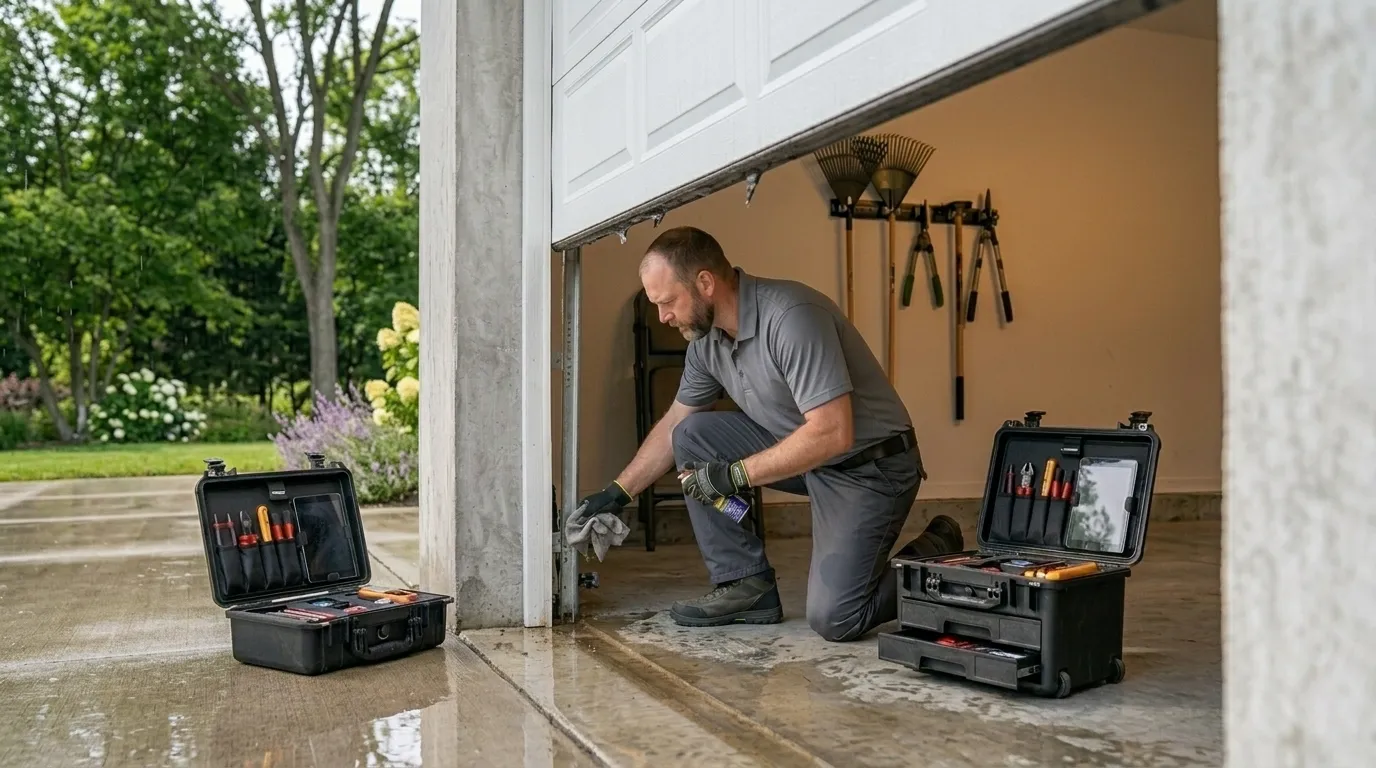
We don't have a set price to quote here without seeing the door, and giving you a number that isn't grounded in your actual opening, panel material, and hardware condition would do you no favors. What we can tell you is how the job usually breaks down on a house from the 1960s-70s stock common in this area: sometimes it's a full panel swap because the old steel has gone soft at the bottom corners, and sometimes it's a weather-seal and jamb correction because the panel itself is fine but the gap around it was never sealed right for a house of that vintage. The honest limitation here is that we can't tell you which one you need over the phone.
A door that looks like a simple seal fix can turn into a full replacement once we see rust behind the track, and a door that sounds like it needs full replacement sometimes just needs the bottom astragal redone. If your house sits in that 1959-2002 build range, expect the estimate to depend heavily on whether the original frame was ever upgraded.
How Local Conditions Play In
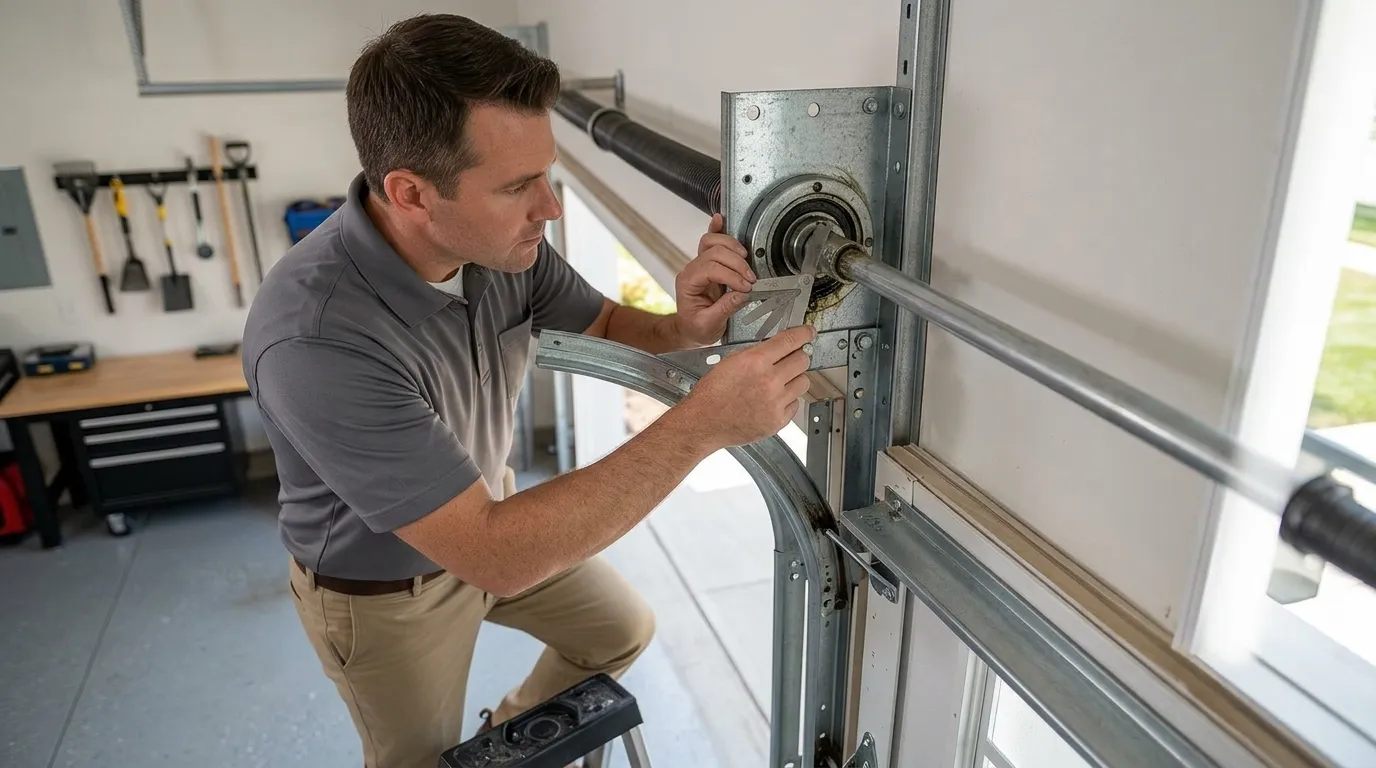
Oklahoma City sits in a cold-moderate climate band, which means the garage isn't dealing with deep sustained freezes most winters, but it does swing through real cold snaps and real heat, sometimes in the same week. A door and jamb built without insulation in mind doesn't handle that swing well. Cold air finds the gap at the bottom seal or around a warped panel edge, and that gap gets worse as the steel or wood contracts and expands across seasons.
On a house built in the 1960s or 70s - the bulk of what's out there from Del City to Warr Acres to the areas closer in like the Arts District and Shidler-Wheeler - that seasonal cycling has had fifty-plus years to work on original hardware, tracks, and jambs that were never rated for it. This isn't a story about a single storm or a single bad month. It's steady wear from ordinary seasonal swing acting on parts that were spec'd for a lower bar.
That's the difference between a door that just looks old and one that's actually failing at the seams.
Where People Go Wrong
The most common mistake we see on older Oklahoma City houses is replacing the door panel and stopping there. A new insulated door bolted into a 1960s or 70s jamb that was never sealed or shimmed for insulation doesn't perform much better than the old one - the cold and heat still get in around the frame, just not through the panel. Another mistake is assuming every house built in that 1959-2002 window has the same setup.
It doesn't. A house near the median build year of 1972 might have original hardware nobody's touched, while a house built closer to 2002 already has a door that meets a later, tighter code. Knowing where your house falls in that range changes what the fix actually is.
People also tend to treat insulation as an opener or panel problem when it's often a jamb and threshold problem - parts that get ignored because they're not the part that moves.
How We Can Help
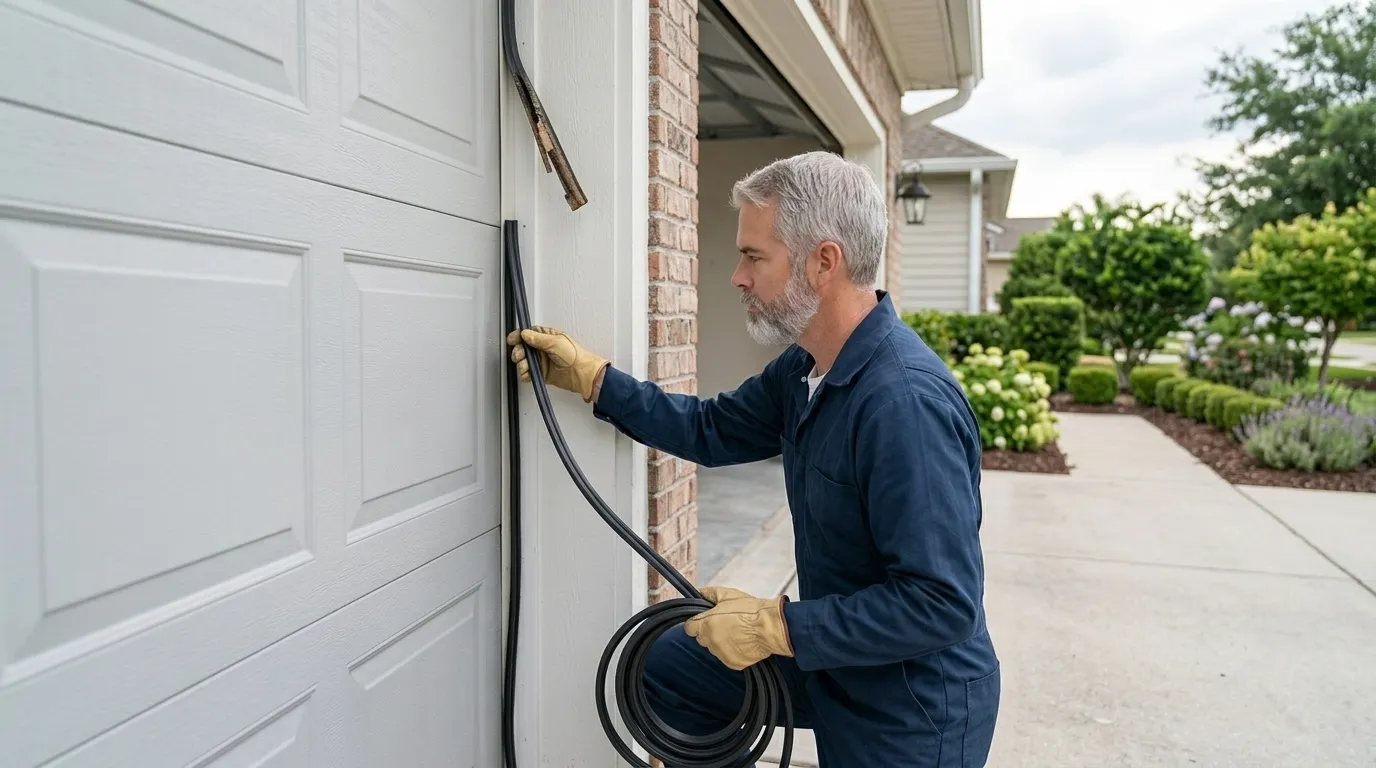
Garage Door Repair
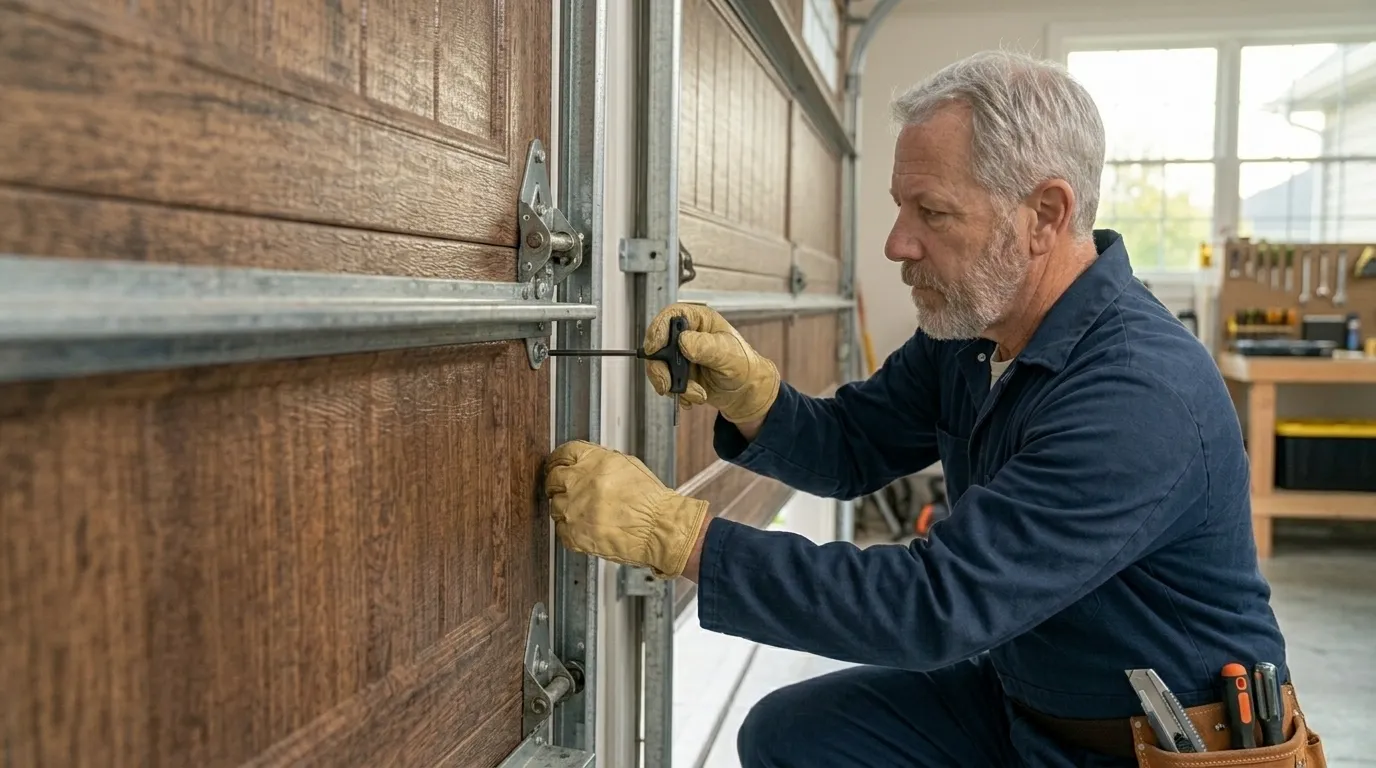
Springs, cables, tracks, rollers, and openers fixed by a tech who explains the problem before touching anything.
Learn more →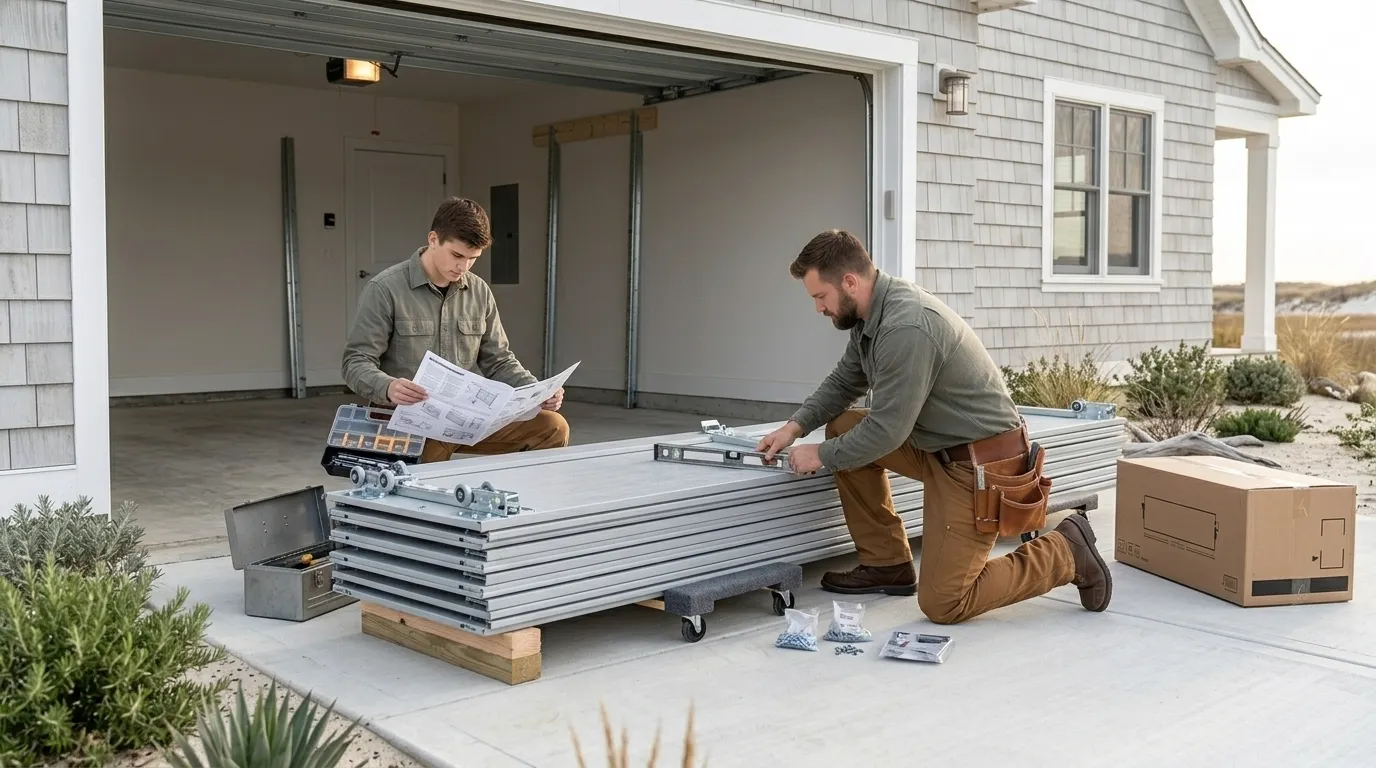
Garage Door Installation
New sectional doors sized and installed for the housing stock actually built in this area.
Learn more →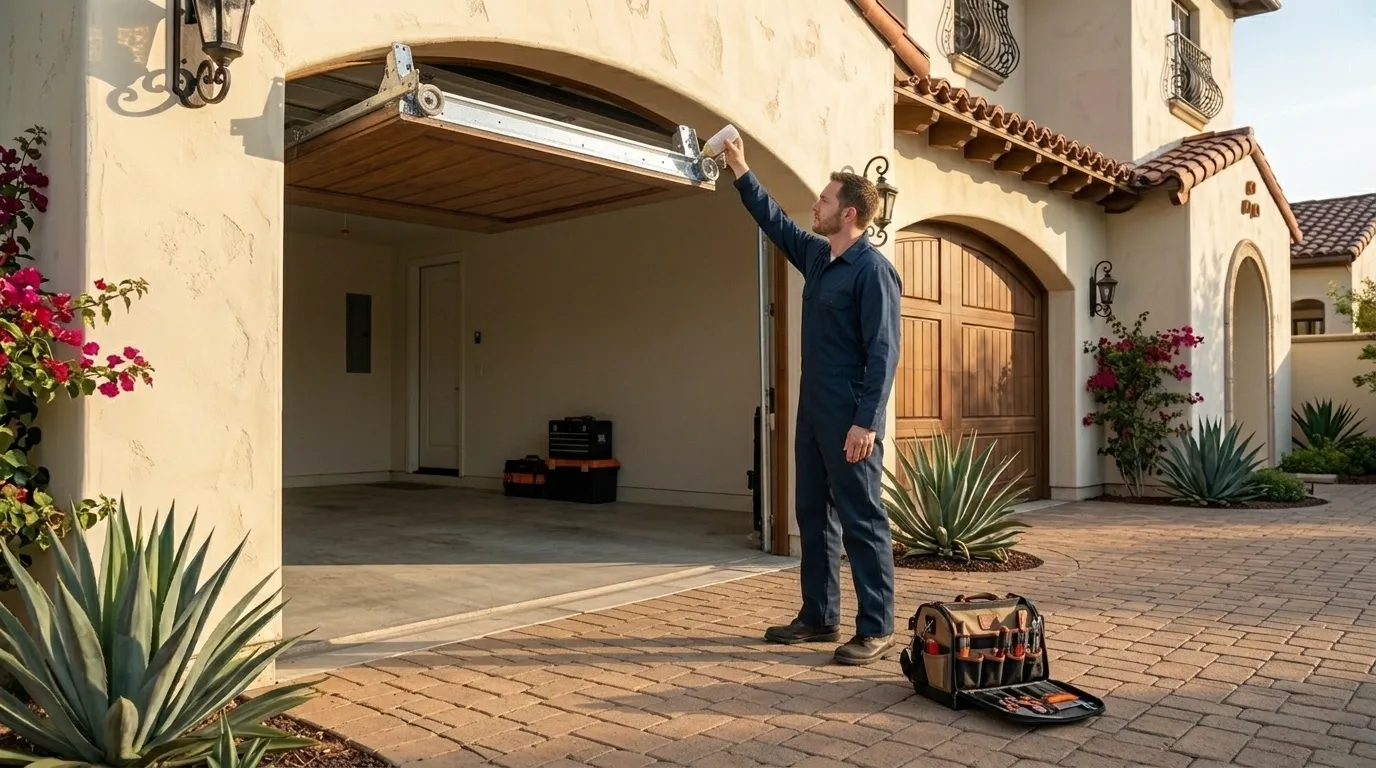
Garage Door Service
Tune-ups, lubrication, and safety checks that catch a small problem before it becomes a service call.
Learn more →Frequently Asked Questions
Does my house being built in the 1960s or 70s mean my garage door needs replacing?
Not automatically. It means the door and jamb were likely built before insulation codes tightened, so if you're feeling drafts or temperature swings in the garage, the fix might be the seals and jamb rather than the whole door. We'd need to look at it to say which.
Why does my new insulated door still feel drafty?
If your house falls in the 1959-2002 build range common across Oklahoma City, the jamb and header the door sits in may never have been sealed or shimmed for an insulated panel. A new door bolted into an old, unsealed frame won't perform the way it's rated to.
How much does it cost to fix an old, uninsulated garage door?
It depends on whether the fix is a seal and jamb correction or a full panel replacement, and we can't give an honest number without seeing the door and hardware condition. Houses from this area's 1960s-70s stock vary a lot in what's actually been touched over the years.
Have a Door That Needs a Second Opinion?
Call and describe what it is doing - we will tell you what it likely is.