
Oklahoma City Garage Door Guide
When a Spring Goes in Cold Weather Here in Oklahoma City
A look at why torsion springs fail in Oklahoma City's cold snaps, what it costs to fix on 1960s-70s housing stock, and where DIY attempts go wrong.
- Licensed & Insured
- Same-Area Service Calls
- Upfront Pricing
What Is Going On
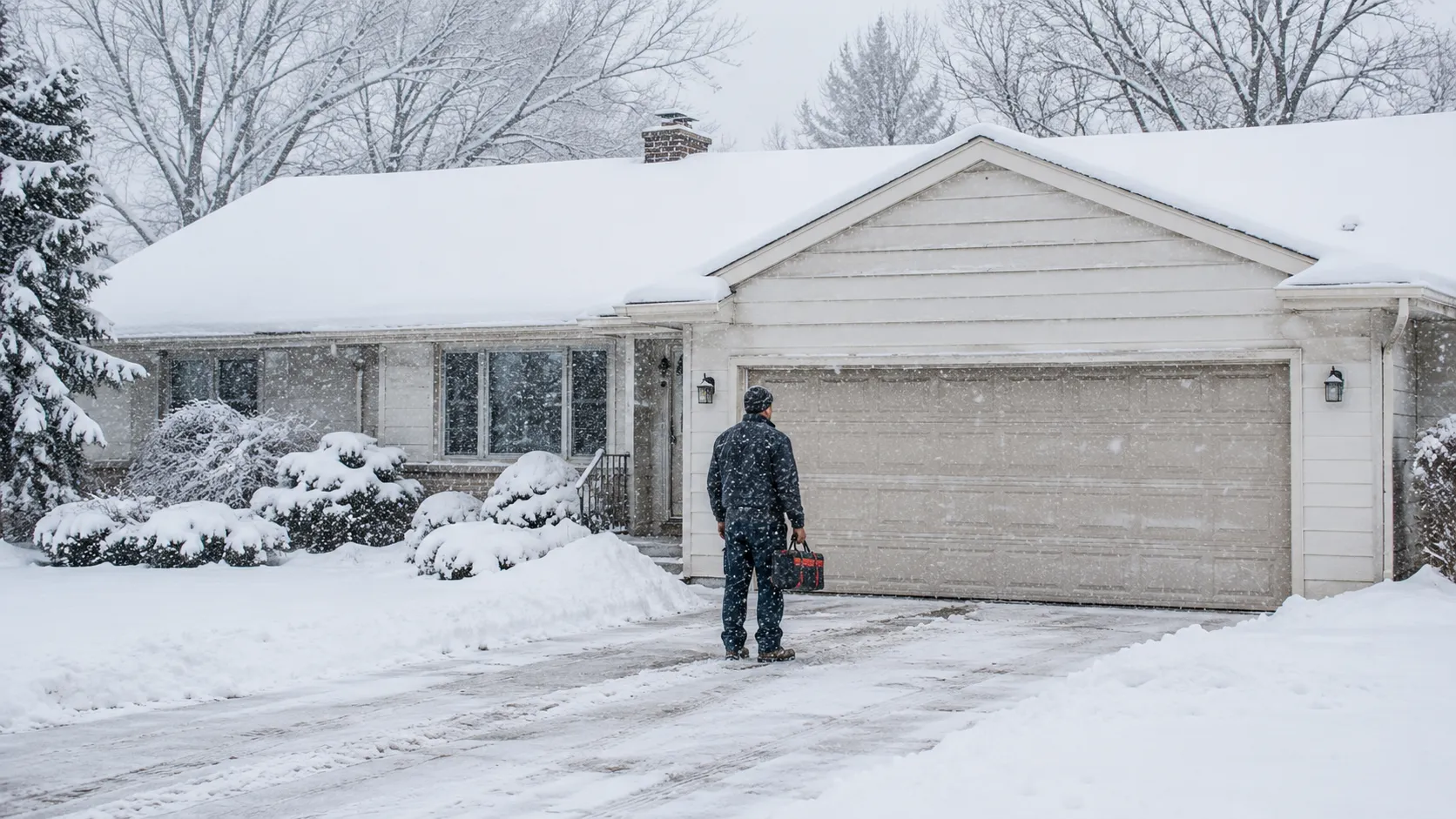
A torsion spring stores tension by twisting steel around a shaft above your door. Every open and close cycle works that metal, and steel gets more brittle as the temperature drops. Most of the houses we work on in this part of Oklahoma City went up between 1959 and 2002, with the heaviest concentration in the 1960s and 70s across all 17 of the neighborhoods we cover, from Capitol Hill and Midtown out to Britton and Nicoma Park.
A spring installed on a house built in that window has usually been cycling for decades already, and it's carrying a wood or early steel door that weighs more than the doors going into new construction today. When a hard overnight freeze hits after a mild afternoon, that's the moment a spring near the end of its life gives out. You'll hear a bang, sometimes loud enough that neighbors ask about it, and then the door won't lift, or it lifts crooked with one cable slack.
That's not the opener failing. That's the spring, and the opener is just doing what it's told with nothing left to help it.
The Cost of This Job
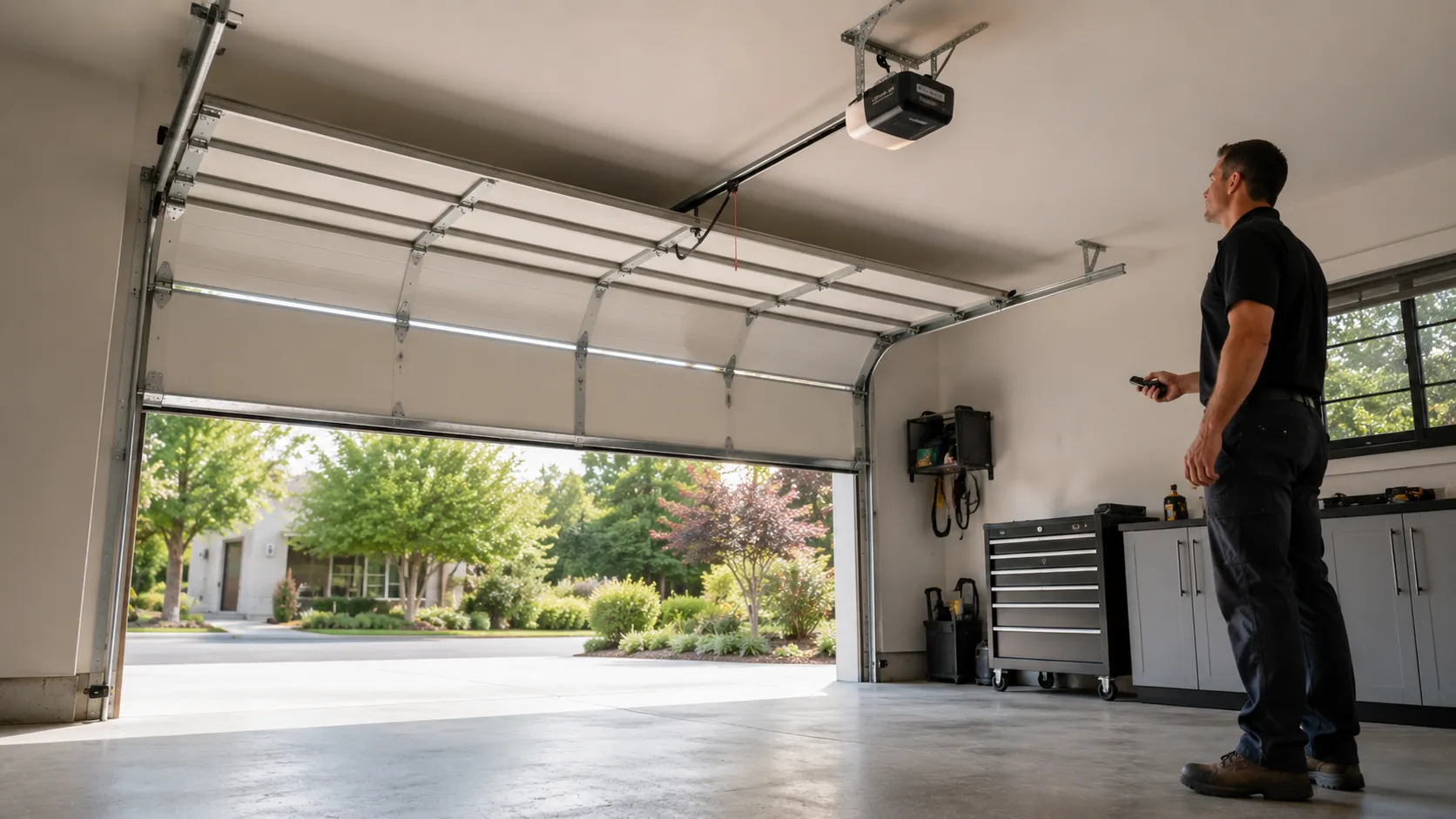
We can't quote a number here without seeing the door. What drives the price on a job like this is whether you've got one spring or two, torsion or extension, and how heavy the door is - and on a lot of the 1960s and 70s stock in this service area, that means an older heavier door on original hardware, not the lighter insulated doors sold now. A single spring on a light door is a different job than replacing a matched pair on a heavy wood door that's been running unbalanced for months because nobody noticed the second spring was already going.
Median household income across the service area sits around $75,000, and we try to price jobs so a repair actually makes sense next to a full door replacement - if your door and track are shot along with the spring, we'll tell you that instead of just swapping the spring and sending you the bill. That's the honest limitation: we don't do a quote over the phone, because guessing on spring size or door weight is how you end up back out here in a month.
How Local Conditions Play In
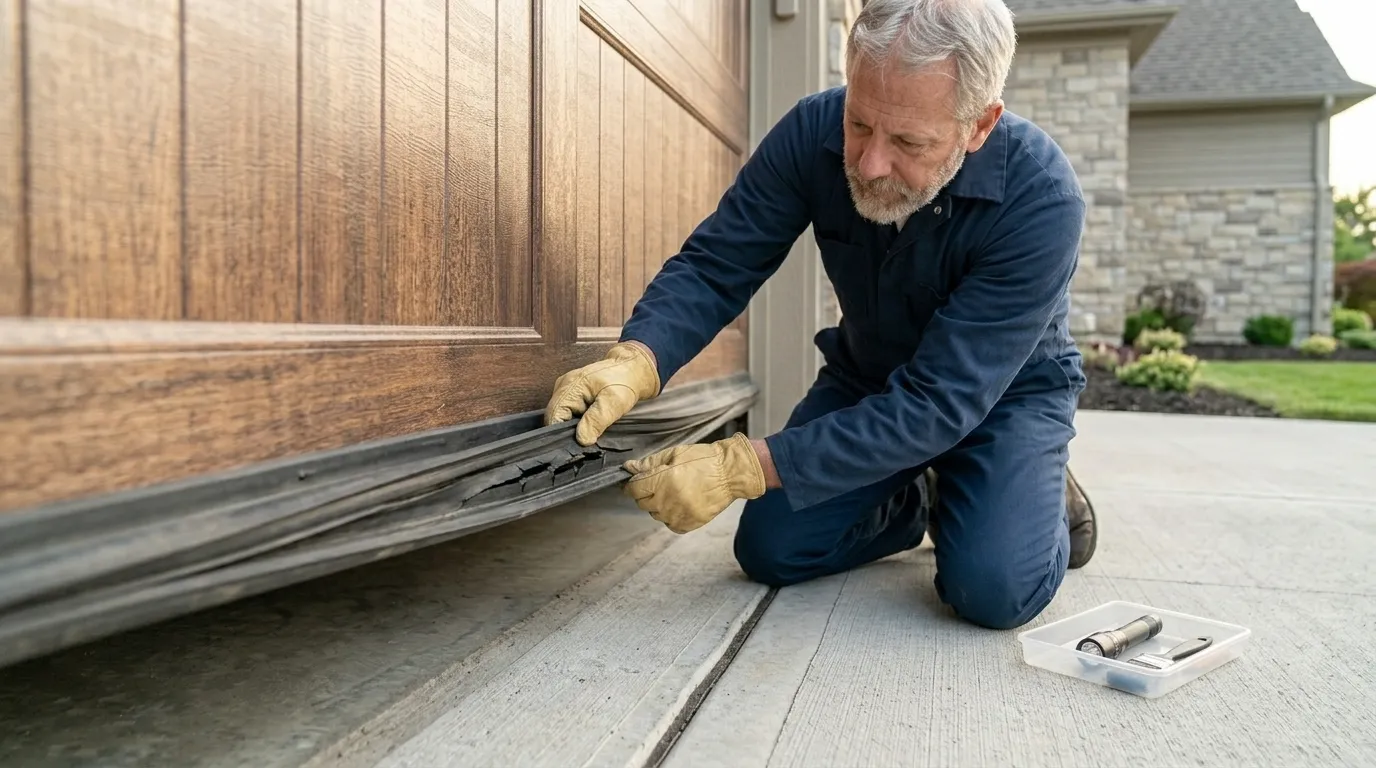
Oklahoma City sits in a cold-moderate climate band, and it isn't the cold itself that snaps a spring - it's the swing. An afternoon in the 50s followed by a hard overnight freeze puts more stress on tempered steel than a steady cold stretch would. Across neighborhoods from Britton down to Southwest Oklahoma City, we see the same pattern every time a front like that comes through: a run of calls in the same week, all torsion springs, all on houses from that same 1960s-70s building era.
The metal has already lost some flex from age, and the sudden contraction is what finishes it off. Garages that aren't insulated see the swing hardest, since the air inside tracks the outside temperature almost exactly. If your door has been getting harder to lift on cold mornings, or making a creak it didn't make in summer, that's the spring telling you it's losing tension before it actually breaks.
Where People Go Wrong
The most common mistake we see is someone trying to wind or replace a torsion spring themselves on a cold morning because the door won't open and they need to get to work. A torsion spring under tension is not a weekend project, cold or not, and doing it on hardware that's forty or fifty years old - common on the older stock through this service area - adds a second risk on top of the first, since brackets and shafts that age can be worn past where they should still be trusted. The other mistake is waiting.
A spring that's straining but hasn't broken yet usually gives you weeks of warning: slower lift, a door that drifts down, a visible gap where the coils have loosened. Once it lets go fully in a freeze, you're not just facing a spring job anymore if the door drops hard enough to bend a track or crack a panel.
How We Can Help
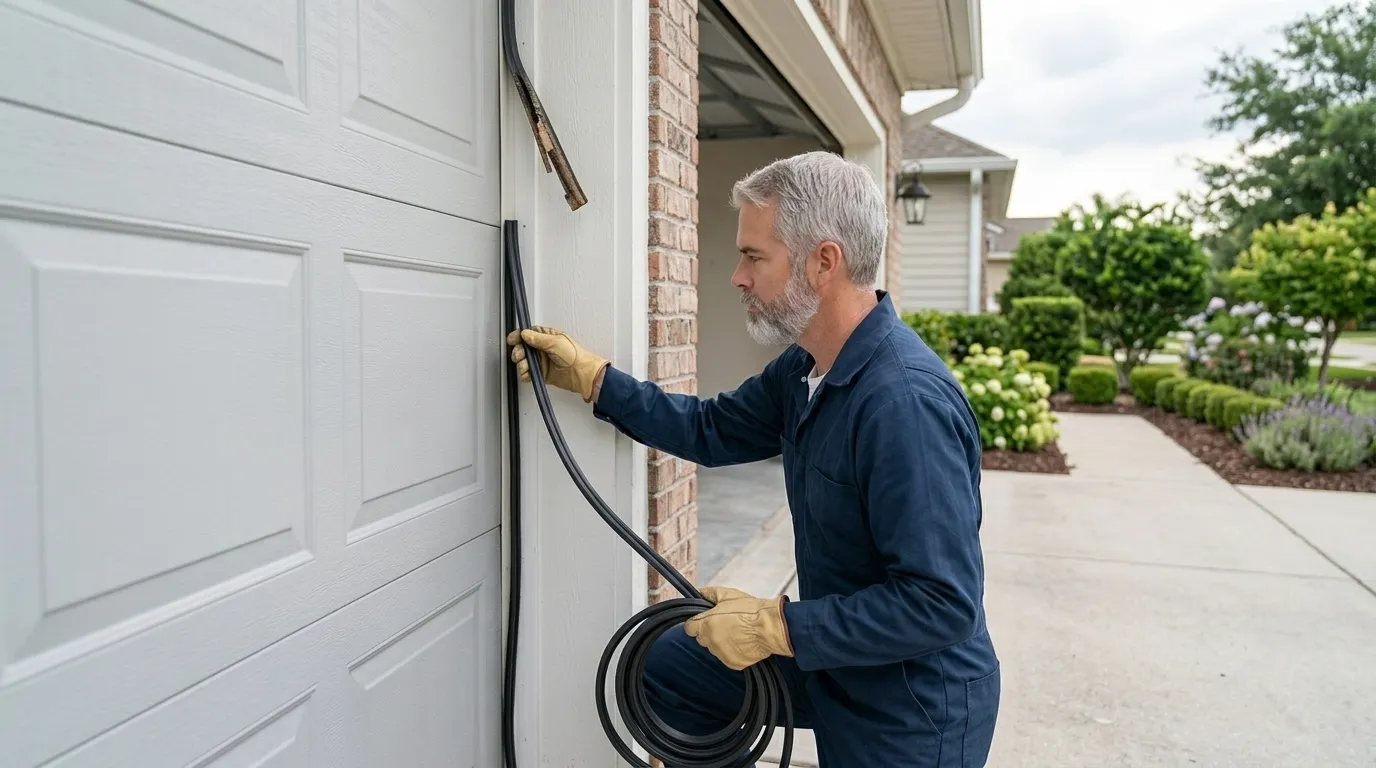
Garage Door Repair
Springs, cables, tracks, rollers, and openers fixed by a tech who explains the problem before touching anything.
Learn more →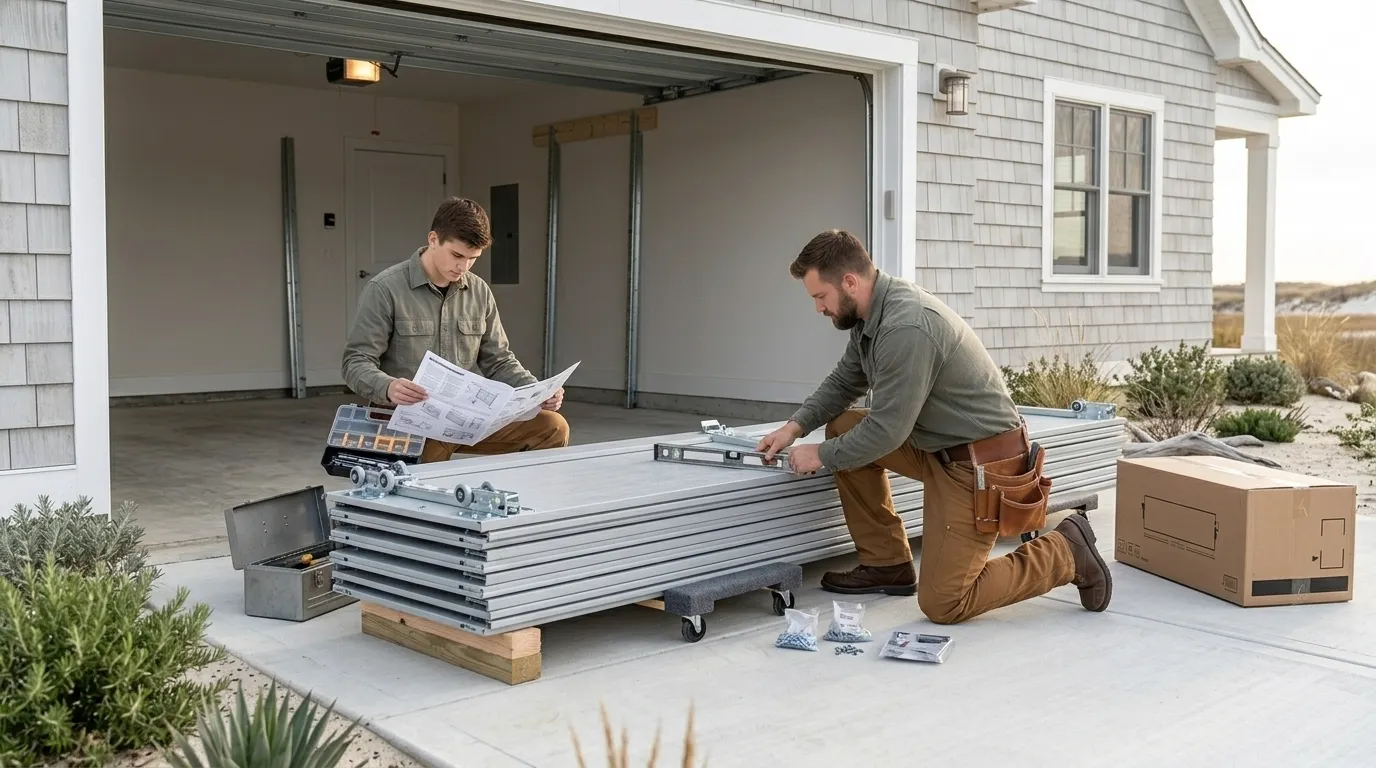
Garage Door Installation
New sectional doors sized and installed for the housing stock actually built in this area.
Learn more →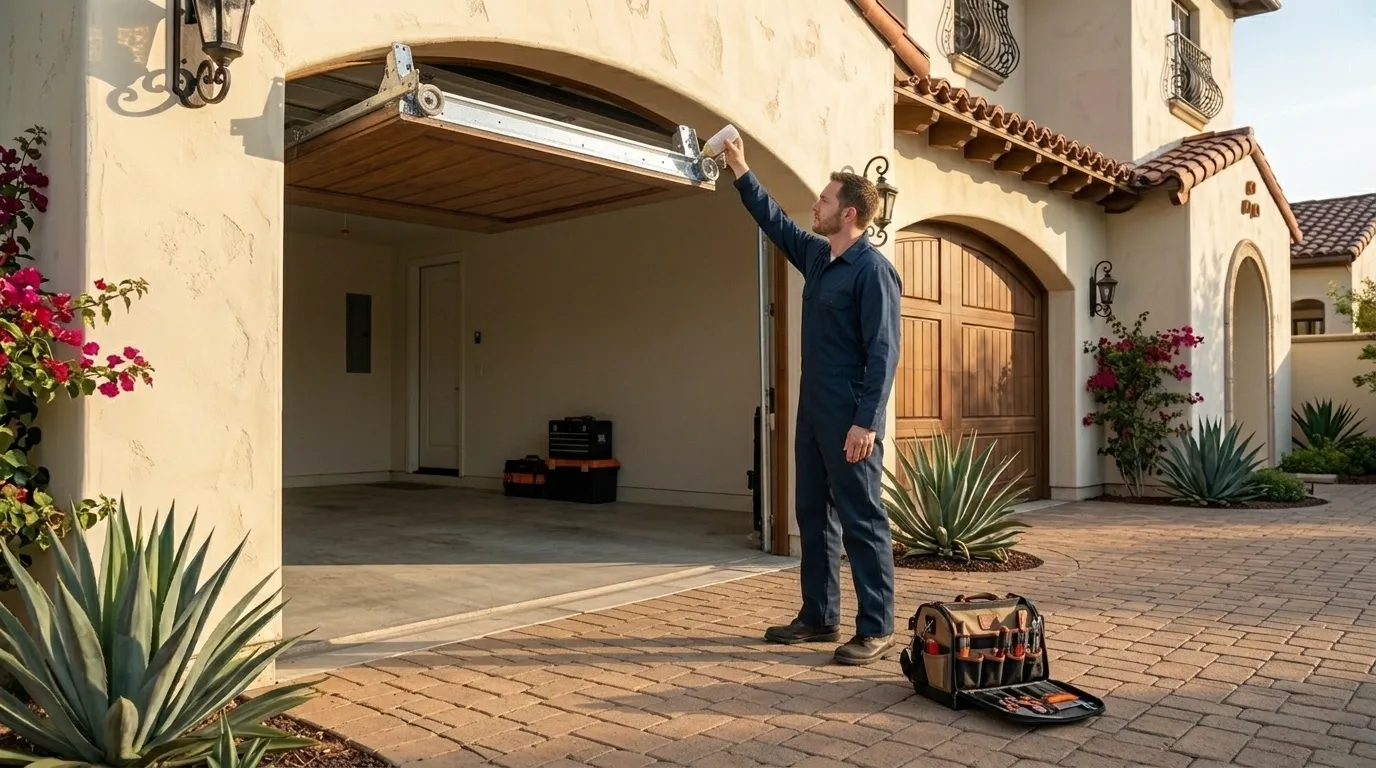
Garage Door Service
Tune-ups, lubrication, and safety checks that catch a small problem before it becomes a service call.
Learn more →Frequently Asked Questions
Why did my spring break overnight instead of during the day?
Steel loses flexibility as it cools, and an overnight freeze after a warmer afternoon puts more sudden stress on a spring than steady cold does. If the spring was already near the end of its life, that swing is often what finishes it. This is common enough here that we see clusters of calls right after a front moves through.
Is it worth repairing an old spring on a house from the 1960s or 70s?
Usually yes, if the door and track are otherwise sound - a spring replacement is a contained job. Where it stops making sense is when the door itself, common on this era of housing, has other wear alongside the spring. We'll look at the whole setup before recommending repair over replacement.
Can I replace a torsion spring myself?
We don't recommend it. A torsion spring holds real tension and the hardware on older Oklahoma City houses has often been in place since the home was built, which adds wear on top of the tension risk. This is one job we tell homeowners to leave to someone with the right bars and clamps.
Why does my garage feel colder than the rest of the house before the spring even breaks?
Most garages here aren't insulated, so the air inside tracks close to outdoor temperature. That means the spring and hardware are cycling through the same cold swings the outside air sees, which is part of why failures cluster right after a front comes through.
Have a Door That Needs a Second Opinion?
Call and describe what it is doing - we will tell you what it likely is.