
Oklahoma City Garage Door Guide
When the Power Goes Out, Your Opener Doesn't Know What to Do
Oklahoma City homes built 1959-2002 often run openers wired without battery backup. Here's how power cuts hit these doors and what actually fixes it.
- Licensed & Insured
- Same-Area Service Calls
- Upfront Pricing
What Is Going On
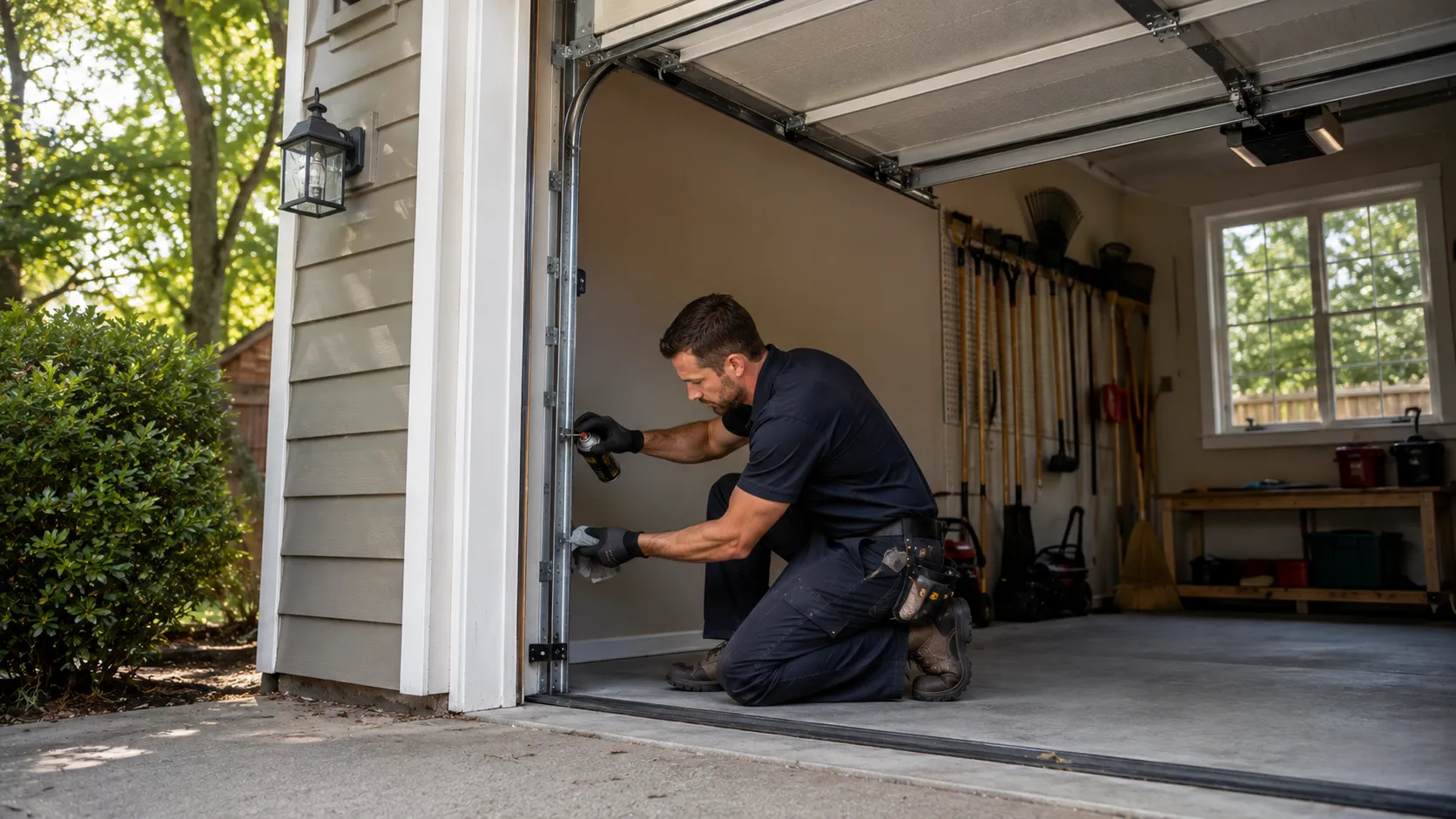
Most of the openers we get called out on sit in garages attached to houses built between 1959 and 2002, with the bulk of that stock going up through the 1960s and 70s across neighborhoods from Capitol Hill to Britton. Openers from that build era, and a lot of the replacement units installed since, were never required to carry battery backup. When the grid drops, the opener drops with it, full stop.
No slow-blinking light, no five-second warning. The trolley just stops moving and the door sits wherever it was when the power cut.
The part homeowners don't expect is that the manual release cord doesn't disengage the spring system, it disengages the opener from the door. If the spring is doing its job, pulling that cord and lifting by hand should feel close to normal. If it doesn't, that's not a power problem anymore, that's a spring problem hiding behind a power outage.
We also see a fair number of newer openers in these same houses, installed as a swap-in replacement on original 1960s and 70s track and hardware. Those units may have a battery backup feature, but if nobody's tested it since install, it's a coin flip whether it still holds a charge when you need it.
The Cost of This Job
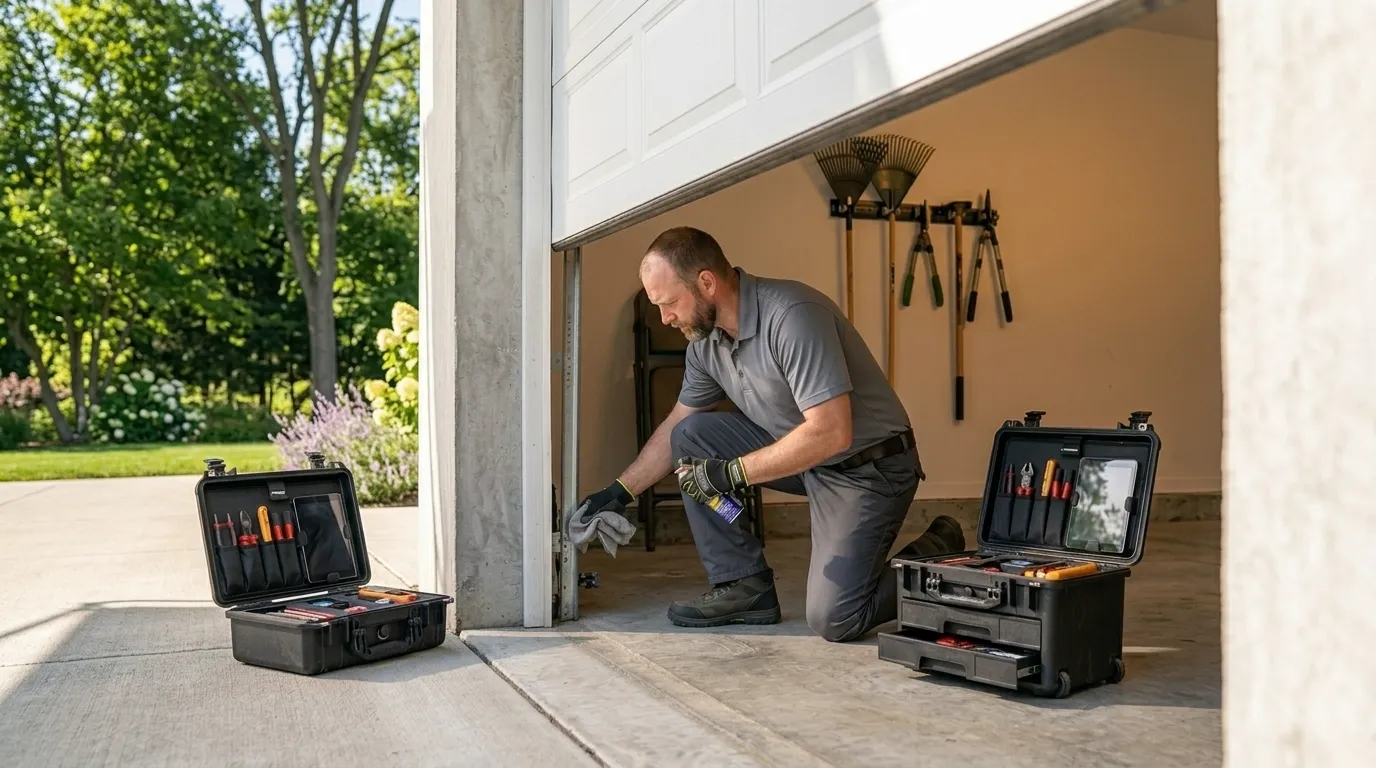
There's no flat number here, because the fix depends entirely on what's actually wrong once the power comes back. If the door lifts fine by hand and the opener just needs to be reset and re-learned, that's a short call. If the opener won't re-engage because a limit switch or circuit board took a hit during the outage, that's a different job, and if it's an original unit from a house built in the 1960s or 70s, replacement is usually the honest answer over trying to source parts for a board that age.
Households across this area run a median income around $75,000, and a lot of the calls we get are homeowners deciding between patching an old opener one more time or replacing it with something that has real battery backup built in. We'll tell you straight which side of that line your unit is on. What we won't do is quote a number before we've seen the opener, the wiring, and how the door itself is moving, because guessing on cost after a power event is how people get surprised.
How Local Conditions Play In
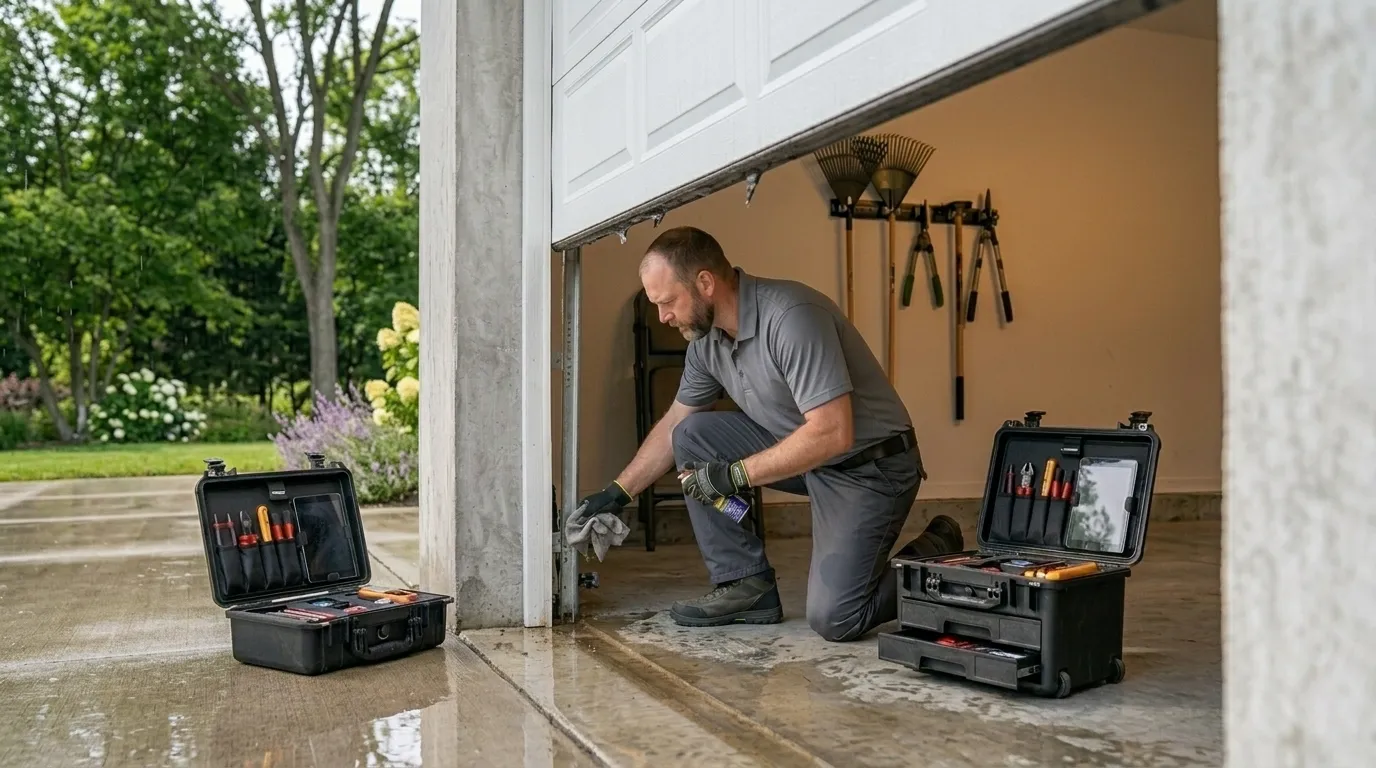
Oklahoma City sits in a cold-moderate climate band, and the outages that take out openers around here tend to cluster with the same weather that stresses everything else on the house - ice loading on lines, wind gusts strong enough to trip a breaker or knock a transformer. That means the outage and a cold snap often land on the same day, which matters because a garage that's been sitting powerless and unheated overnight makes steel track brittle and grease stiff, so the door is harder to lift by hand right when you need to lift it by hand.
Houses from the 1960s and 70s stock common across this service area were built to a different code than what's required now, and a lot of them still have the original weatherstripping and thinner panel doors. That's not an opener issue, but it compounds one: a door that's already dragging on worn seals or a slightly bent track will fight you more when you're operating it manually during an outage than a newer, better-sealed door would.
Where People Go Wrong
The most common mistake is forcing the door up by hand without pulling the manual release first. On a door still connected to a dead opener, that fights the trolley and can bend the arm or crack the header bracket, turning a power blip into an opener replacement.
The second mistake is assuming the opener is fine once power's restored, plugging it back in, and moving on. If the unit sat through a hard outage tied to an ice event, it's worth cycling it a few times and listening for grinding or a slow start before trusting it with the car half in the garage overnight.
The third, and this is common in the older housing stock from the 1960s and 70s that makes up a lot of the area, is treating a dead battery backup as a dead opener and replacing the whole unit when the fix was a battery. We check that first, every time, before we talk about swapping anything out.
How We Can Help
Garage Door Repair
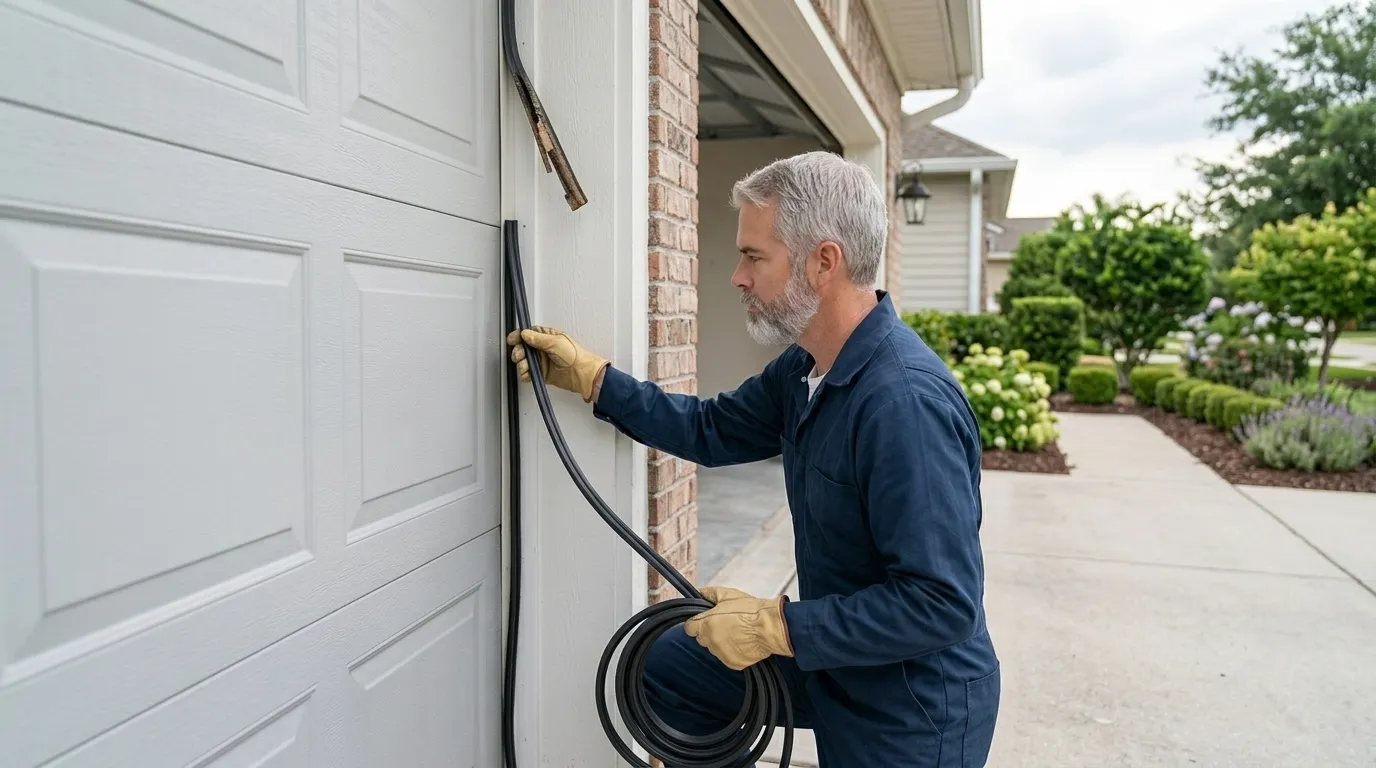
Springs, cables, tracks, rollers, and openers fixed by a tech who explains the problem before touching anything.
Learn more →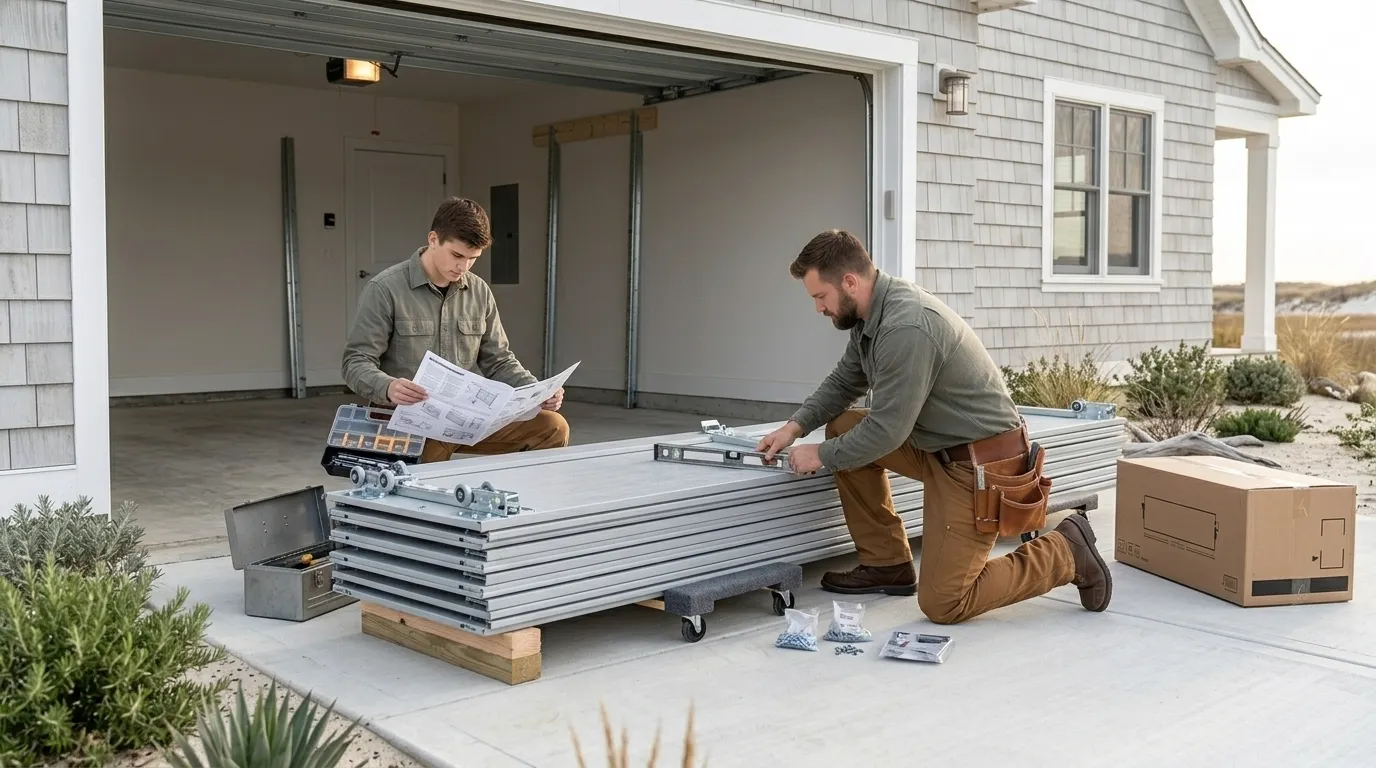
Garage Door Installation
New sectional doors sized and installed for the housing stock actually built in this area.
Learn more →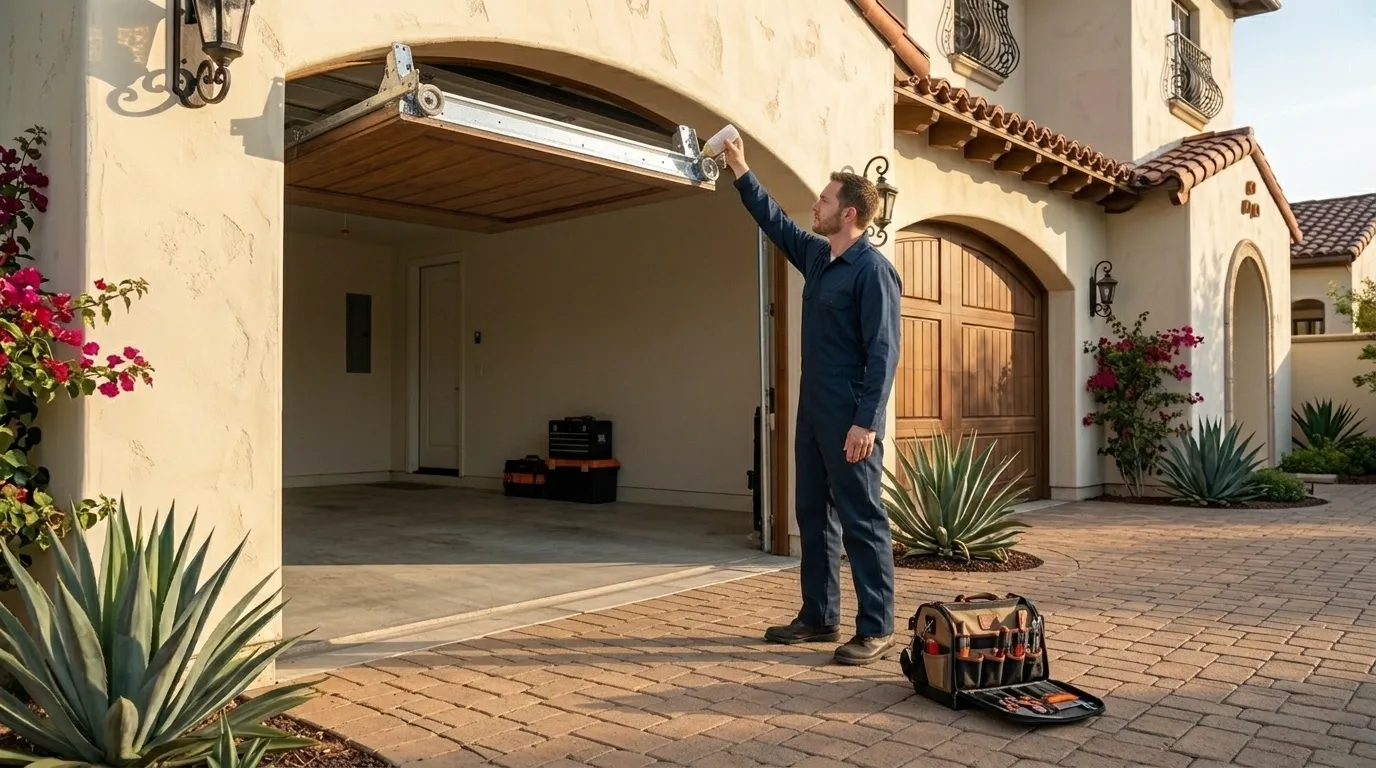
Garage Door Service
Tune-ups, lubrication, and safety checks that catch a small problem before it becomes a service call.
Learn more →Frequently Asked Questions
Will my garage door opener work at all during a power outage?
Not unless it has a working battery backup. Most openers original to houses built in the 1960s through the 1990s across Oklahoma City don't have one. You can still operate the door manually using the release cord, but the opener itself won't move it until power's back or a battery kicks in.
Why did my opener stop working right after the power came back on?
Power surges when the grid comes back up can trip the opener's circuit board or reset its limit settings. Sometimes it's a simple re-learn of the travel limits. Sometimes, especially on older units, the surge does real damage to the board and it needs replacing.
Is it safe to lift the door by hand during an outage?
Yes, once you've pulled the manual release cord to disconnect the trolley from the opener. If the door feels heavy or won't stay up on its own after that, the spring is doing the work, not the opener, and that's worth a call regardless of whether the power's back.
Have a Door That Needs a Second Opinion?
Call and describe what it is doing - we will tell you what it likely is.