
Oklahoma City Garage Door Guide
Is Your Older Garage Door Worth Fixing or Replacing
Most Oklahoma City houses date to 1959-2002, median 1972 - here's how that housing age and our cold-moderate climate shape whether your door is worth repairing.
- Licensed & Insured
- Same-Area Service Calls
- Upfront Pricing
What Is Going On
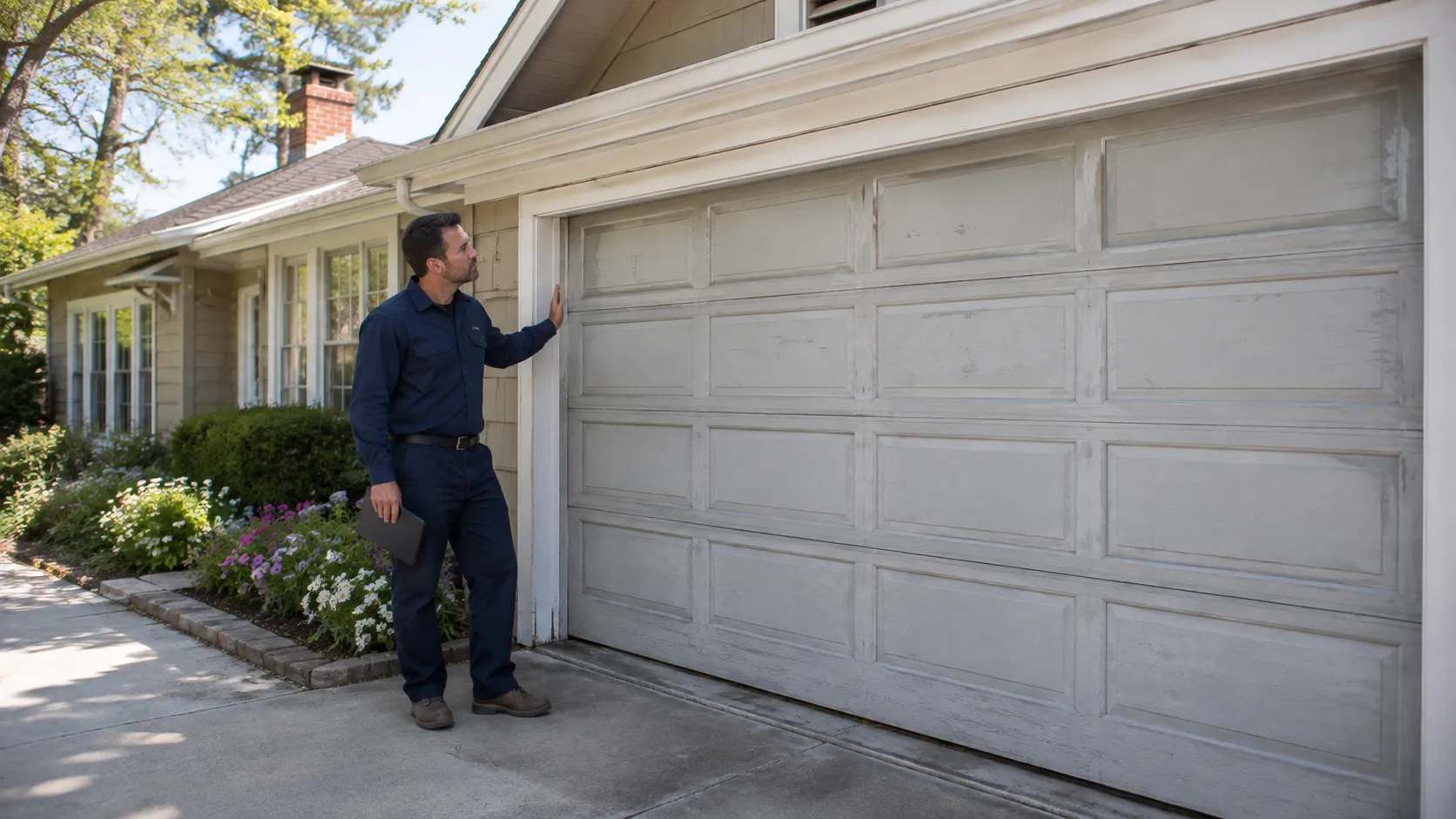
Across the Oklahoma City service area, housing runs from 1959 to 2002, with the median build year sitting at 1972. That means a huge share of the doors we get called out on are original or close to it - steel sectional doors from the 1970s and 80s, sometimes with hardware nobody has made in decades. Seventeen named areas in this metro carry that same 1960s-70s stock, so this isn't a one-neighborhood problem, it's the baseline.
When a door from that era starts acting up - hard to lift, off track, opener straining - the question isn't just "can we fix it," it's "does fixing it make sense for a door this old." A torsion spring or a set of rollers can be swapped on almost any door regardless of age. A warped panel or a rusted-through bottom section on a door built in 1975 is a different conversation, because matching that panel isn't always possible and patching it rarely holds up.
We look at the door in front of us, not a chart. Age alone doesn't condemn a door. What matters is whether the track is still straight, the frame is square, and the parts failing are the kind that get replaced on any door, old or new.
The Cost of This Job
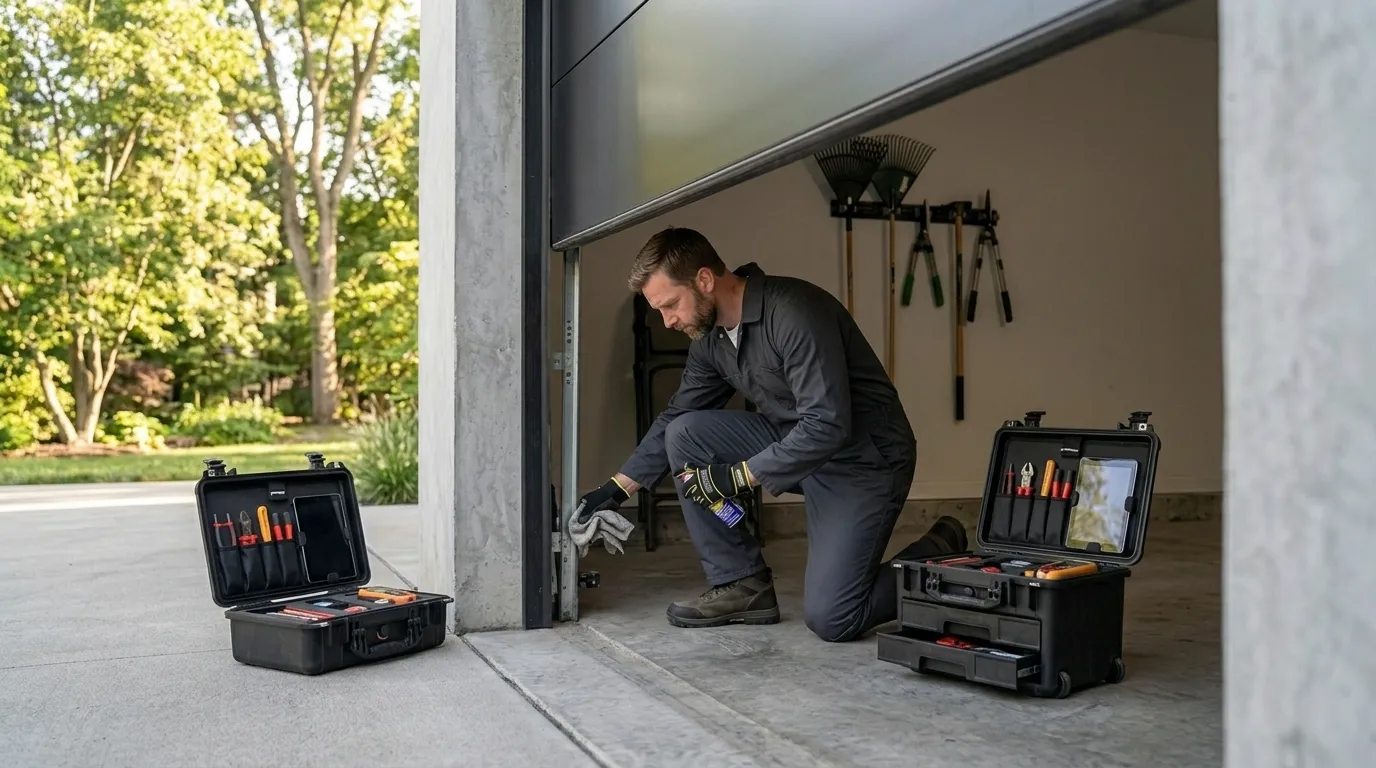
We don't publish flat prices here because the honest answer depends on what's actually wrong, and on a door built decades before Oklahoma City's current stock, that answer varies more than it would on a newer install. A spring, a cable, or a set of rollers on an older steel door is usually a straightforward job - the hardware sizes from that era are well known and we carry for them. Where cost climbs is when the track has been bent and re-bent over the years, or when a panel needs replacing and the manufacturer that made it is long gone.
With median household income at $75,000 across our area and roughly 47,486 owner-occupied houses in the service footprint, we see a wide range of what people are willing to put into an older door before they'd rather replace it outright. That's a personal call, not a rule we apply.
Our job is to tell you plainly which repairs are routine and which ones are chasing a door that's fighting you at every step. If a repair would cost close to what a new door runs, we say so before we start, not after.
How Local Conditions Play In
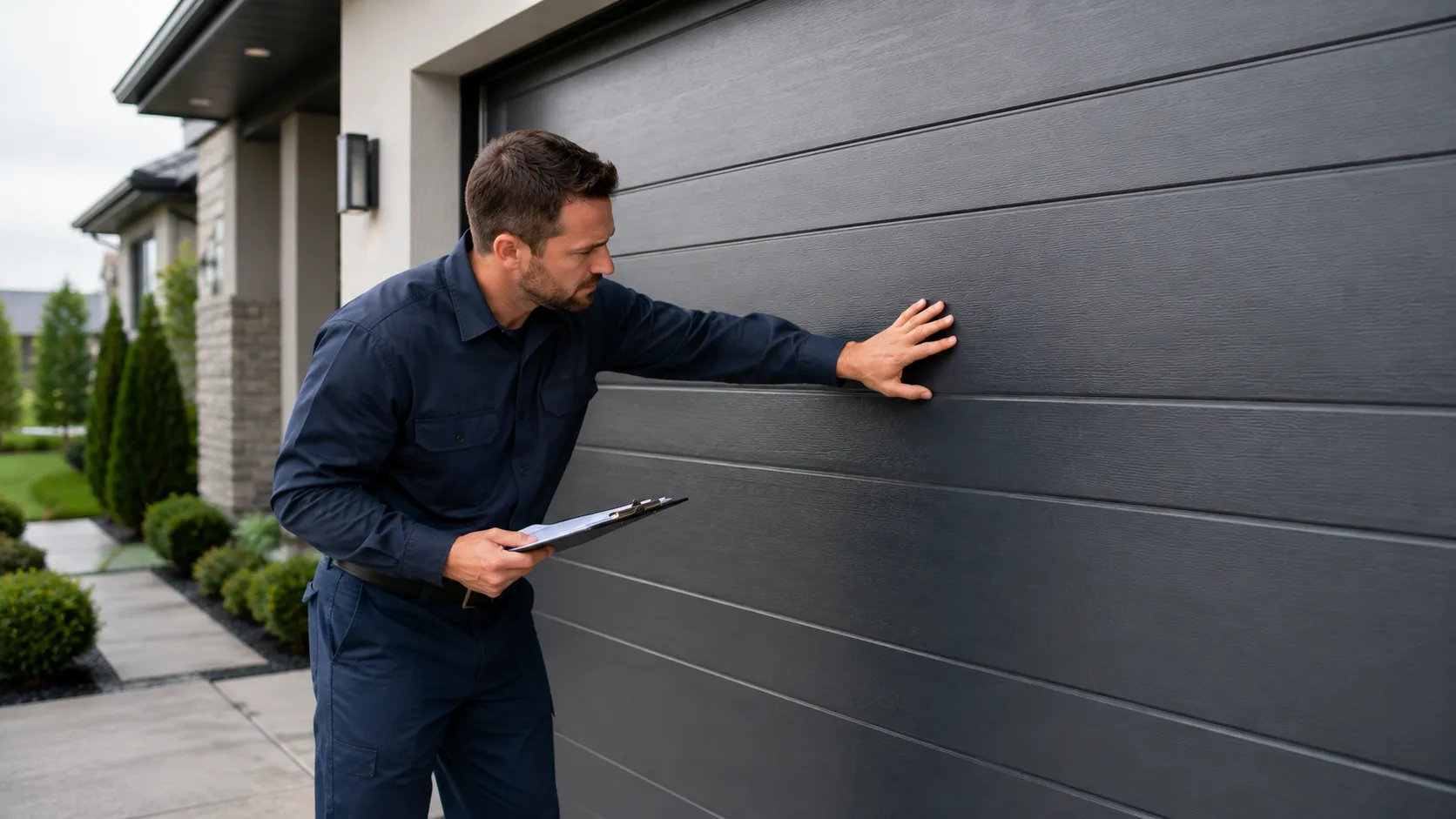
Oklahoma City sits in a cold-moderate climate band, which means garage doors here deal with real temperature swings rather than constant heat or constant freeze. That matters most for doors built in the 1960s-70s window that make up most of this area's stock: steel panels from that era don't have the insulation or weatherstripping standards used today, so they flex more with temperature change, and the seals around them have usually failed or hardened by now.
On an older door, that shows up as a bottom seal that's cracked and letting air and small debris through, or as panels that bind slightly on cold mornings because the track was never quite set up for the amount of expansion and contraction this climate produces over fifty years. None of that is dramatic, but it wears on hardware faster than people expect, and it's part of why a spring on a 1970s door in this area often fails a little earlier than the textbook lifespan you'd read online. We factor that history in in when we look at what's actually driving the problem, instead of assuming it's just age for age's sake.
Where People Go Wrong
The most common mistake we see on older doors here is treating every symptom as a sign the whole unit is done. A door built in the early 1970s that's still square, still on a straight track, and still has an intact frame is very often worth repairing - a new opener, new springs, new rollers, and it runs another long stretch. People replace doors that had another decade in them because one part failed and they assumed the rest was going the same way.
The opposite mistake happens too: pouring repair after repair into a door where the track is bent, the frame has shifted, or the panels are rusted through at the bottom. On a door that old, past a certain point you're paying labor to keep patching a structure that's not going to hold a new spring's tension safely anyway.
We won't sell you a repair we don't think will last, and we won't push a replacement on a door that's still sound. If we're not sure which side of that line your door is on, we say so and walk you through what we're seeing before you spend anything.
How We Can Help
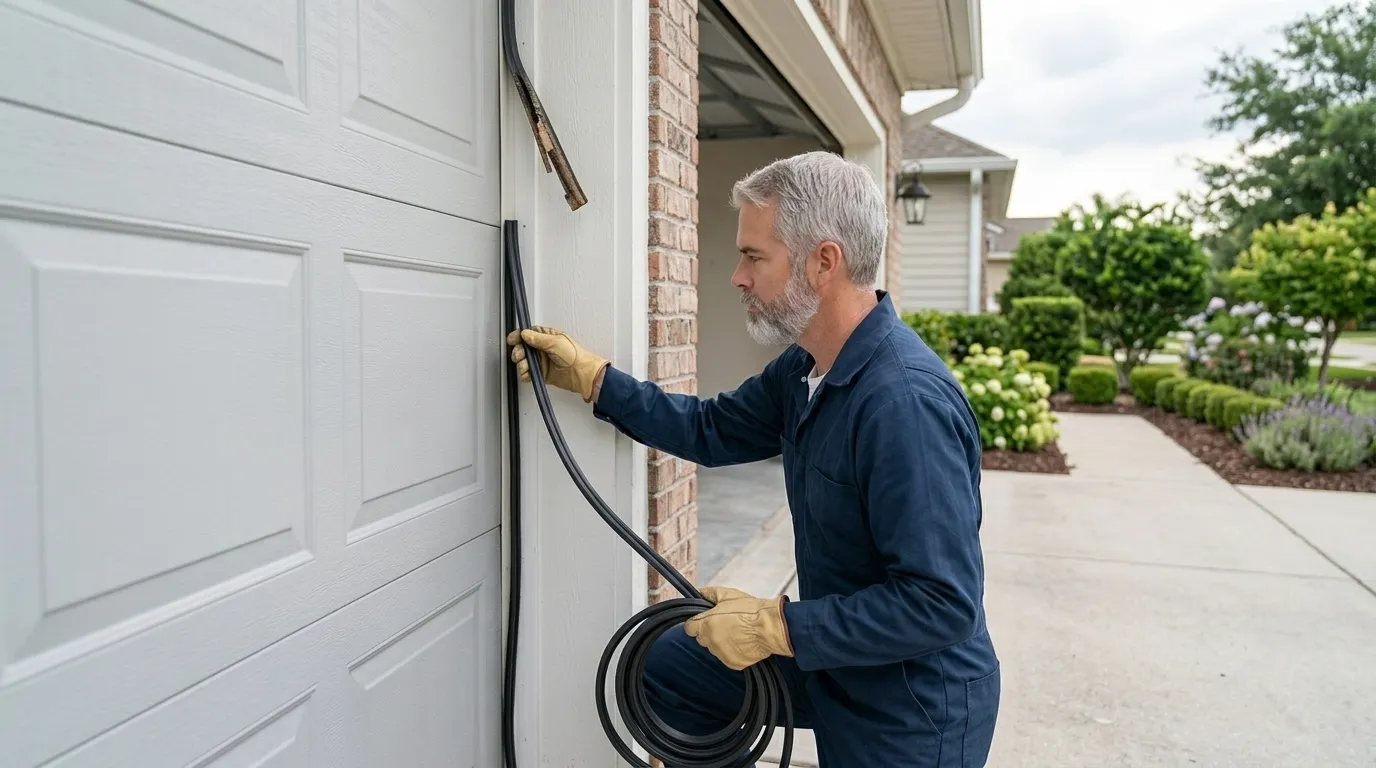
Garage Door Repair
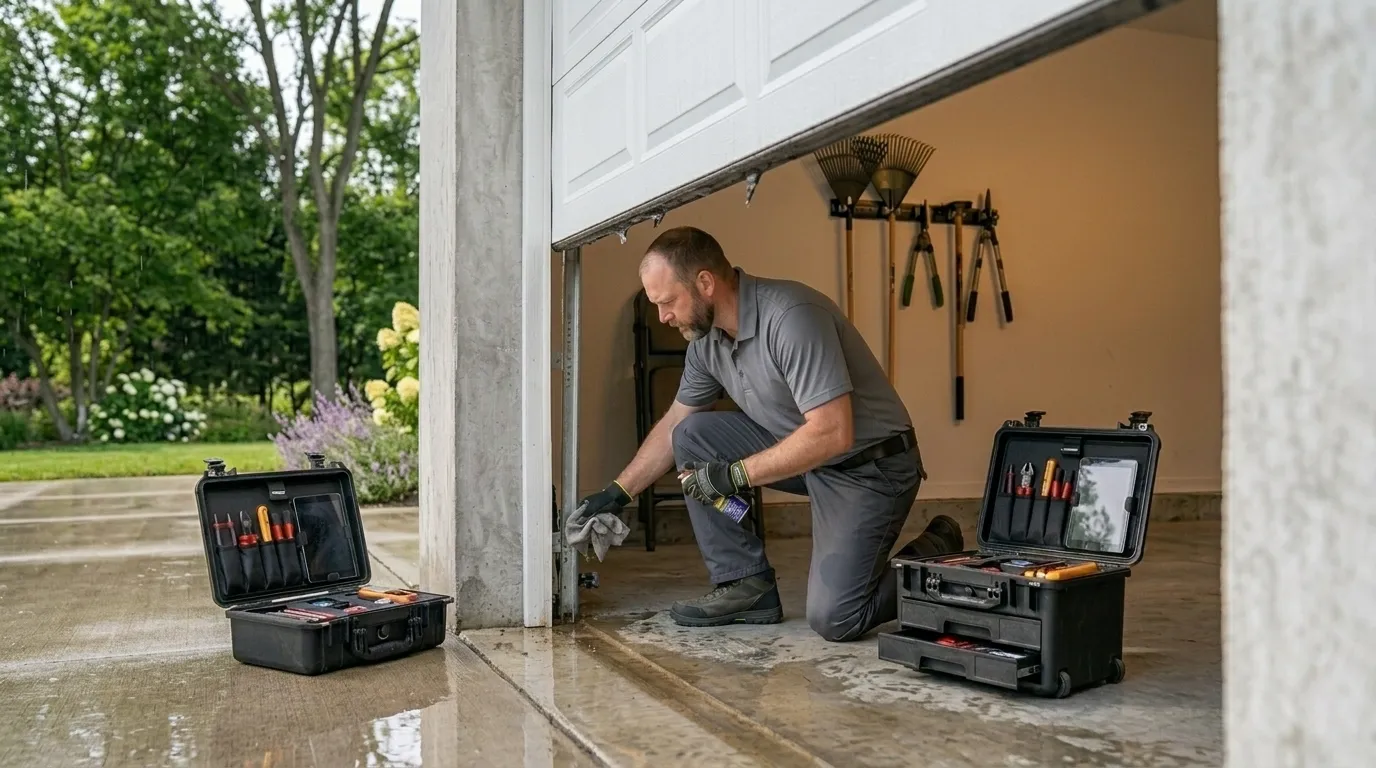
Springs, cables, tracks, rollers, and openers fixed by a tech who explains the problem before touching anything.
Learn more →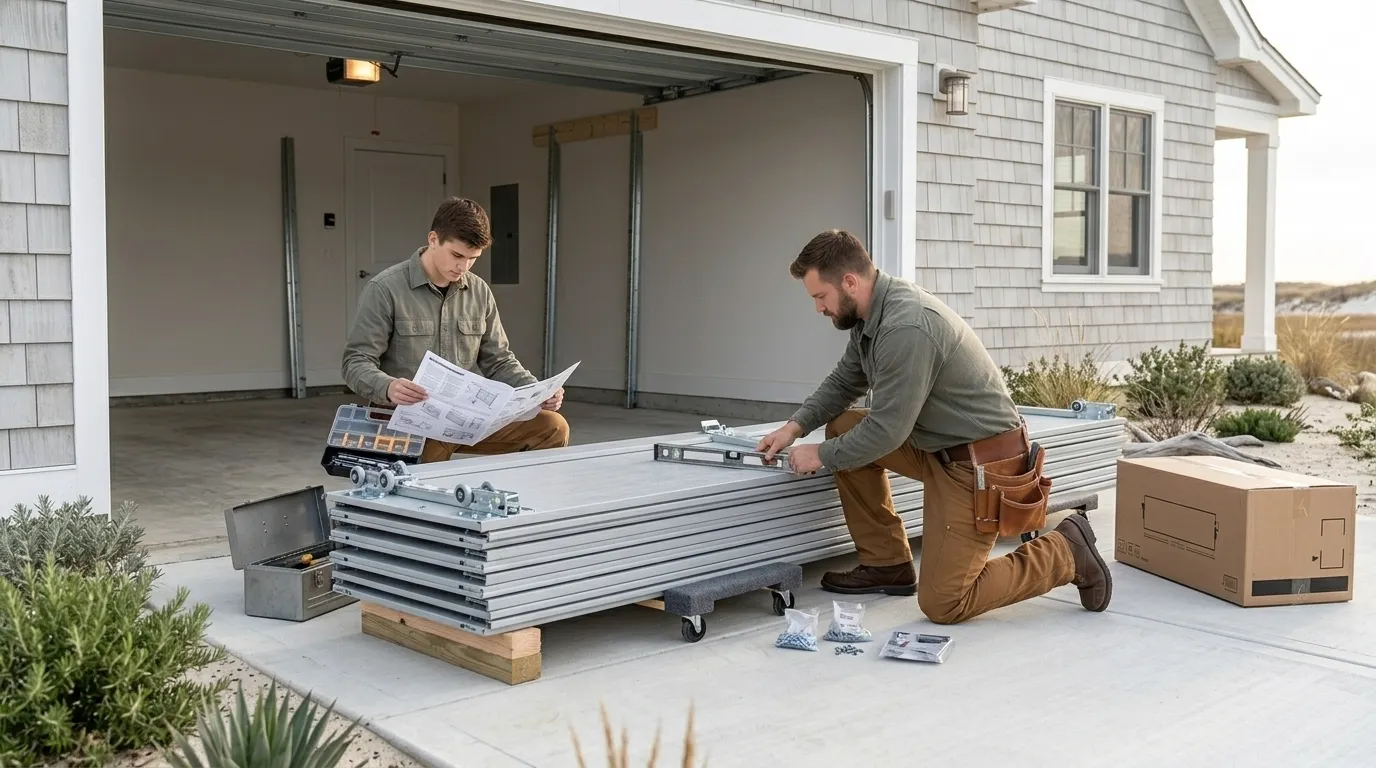
Garage Door Installation
New sectional doors sized and installed for the housing stock actually built in this area.
Learn more →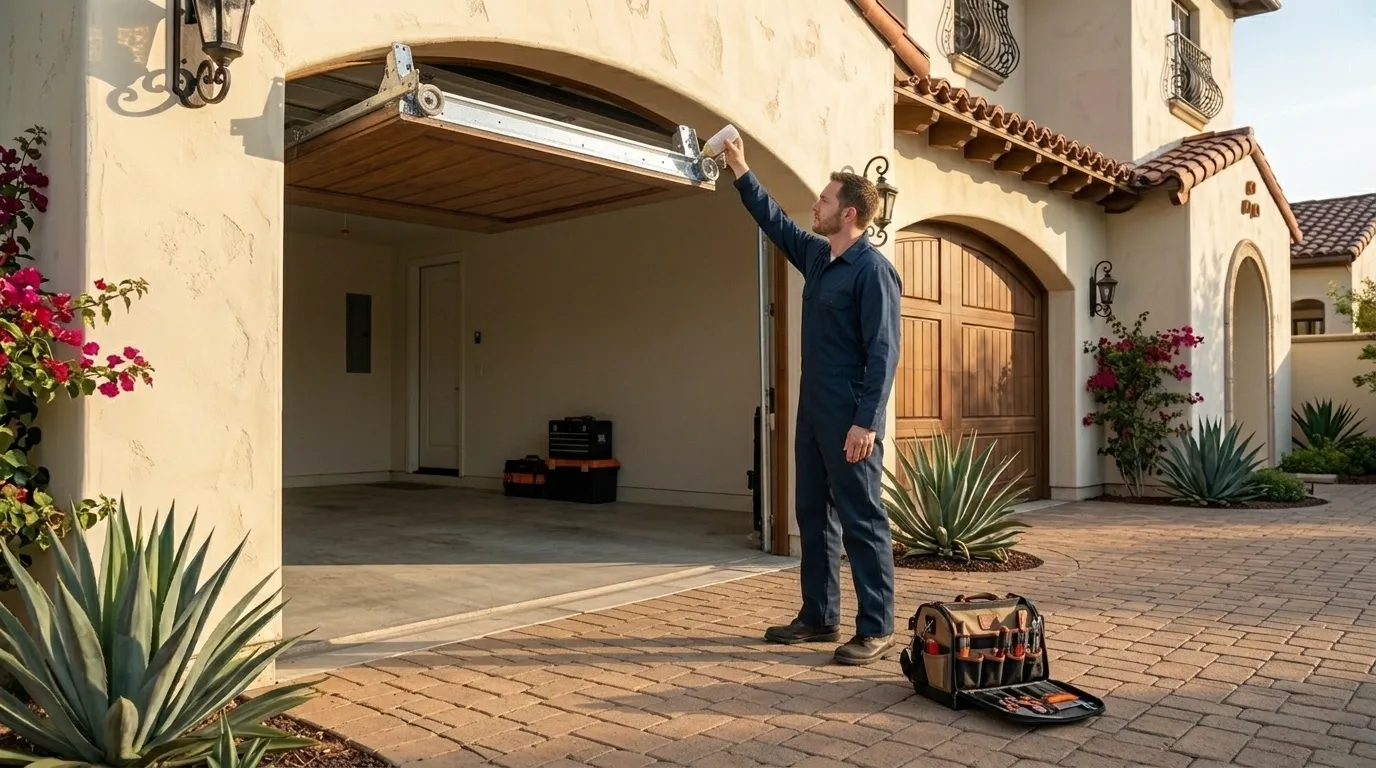
Garage Door Service
Tune-ups, lubrication, and safety checks that catch a small problem before it becomes a service call.
Learn more →Frequently Asked Questions
Is it worth fixing a garage door from the 1970s?
Often, yes. If the track is straight and the frame is square, the parts that fail - springs, cables, rollers, openers - get replaced regardless of the door's age. What's harder to fix is a warped or rusted panel where the original replacement part isn't made anymore. We look at the specific damage, not just the build year.
Why do older doors in Oklahoma City fail more in temperature swings?
Doors built during this area's main construction era, the 1960s and 70s, don't have modern insulation or weatherstripping. In our cold-moderate climate, that means more flex and faster wear on seals and hardware as temperatures shift through the year, which speeds up spring and roller failure compared to a newer, better-sealed door.
How do I know if my door needs replacing instead of repairing?
Check whether the track is bent, the frame has shifted out of square, or panels are rusted through at the bottom. Spring, cable, and roller problems are usually a repair on any door. Structural issues on a door built decades ago are where replacement usually makes more financial sense than continued patching.
Do you give a flat price over the phone for an older door?
No, because the range on older doors is wide - a spring swap and a warped panel replacement aren't the same job or the same cost. We look at the door first and tell you plainly what's routine and what isn't before any work starts.
Have a Door That Needs a Second Opinion?
Call and describe what it is doing - we will tell you what it likely is.